
A renewal that once required a quick review can now reshape an apartment owner’s operating plan. Multifamily insurance market trends are changing how carriers evaluate buildings, how lenders assess risk, and how owners protect income-producing real estate across California. For established investors and property managers, the question is no longer simply whether coverage is in place. It is whether the policy reflects the actual cost, condition, and risk profile of the asset.
The strongest insurance strategy begins before a loss occurs. It connects building maintenance, property valuation, tenant safety, contractual obligations, and emergency planning into one clear risk-management approach. That is how multifamily owners can preserve both their properties and the long-term value they have worked to build.
Multifamily Insurance Market Trends Affecting Owners
The multifamily market remains highly specific to location, construction, claims history, and carrier appetite. A well-maintained garden-style community in Orange County may face a very different underwriting conversation than an older apartment building near a wildfire-prone area or a coastal property with significant water exposure. Broad market headlines matter, but they do not replace a property-by-property review.
Property values are under closer scrutiny
Replacement cost has become a central issue in multifamily coverage. Construction labor, materials, permitting, code upgrades, and contractor availability can all affect the amount required to rebuild after a serious covered loss. A limit based on an outdated appraisal or original purchase price may leave an owner carrying a difficult gap at precisely the wrong time.
Carriers are also paying closer attention to valuation methodology. They may request building details, square footage, year built, construction type, roof age, electrical systems, plumbing updates, and renovation records. This is not paperwork for its own sake. These details help determine whether the insured value and policy terms reasonably match the property’s exposure.
For owners, a higher insured value can increase premium, but inadequate limits create a more consequential trade-off. A strategic review should consider replacement cost, ordinance or law coverage, debris removal, and the effect of coinsurance provisions where applicable. The goal is comprehensive protection that can support a true recovery, not merely a policy that appears sufficient on paper.
Wildfire, water, and weather risk are shaping availability
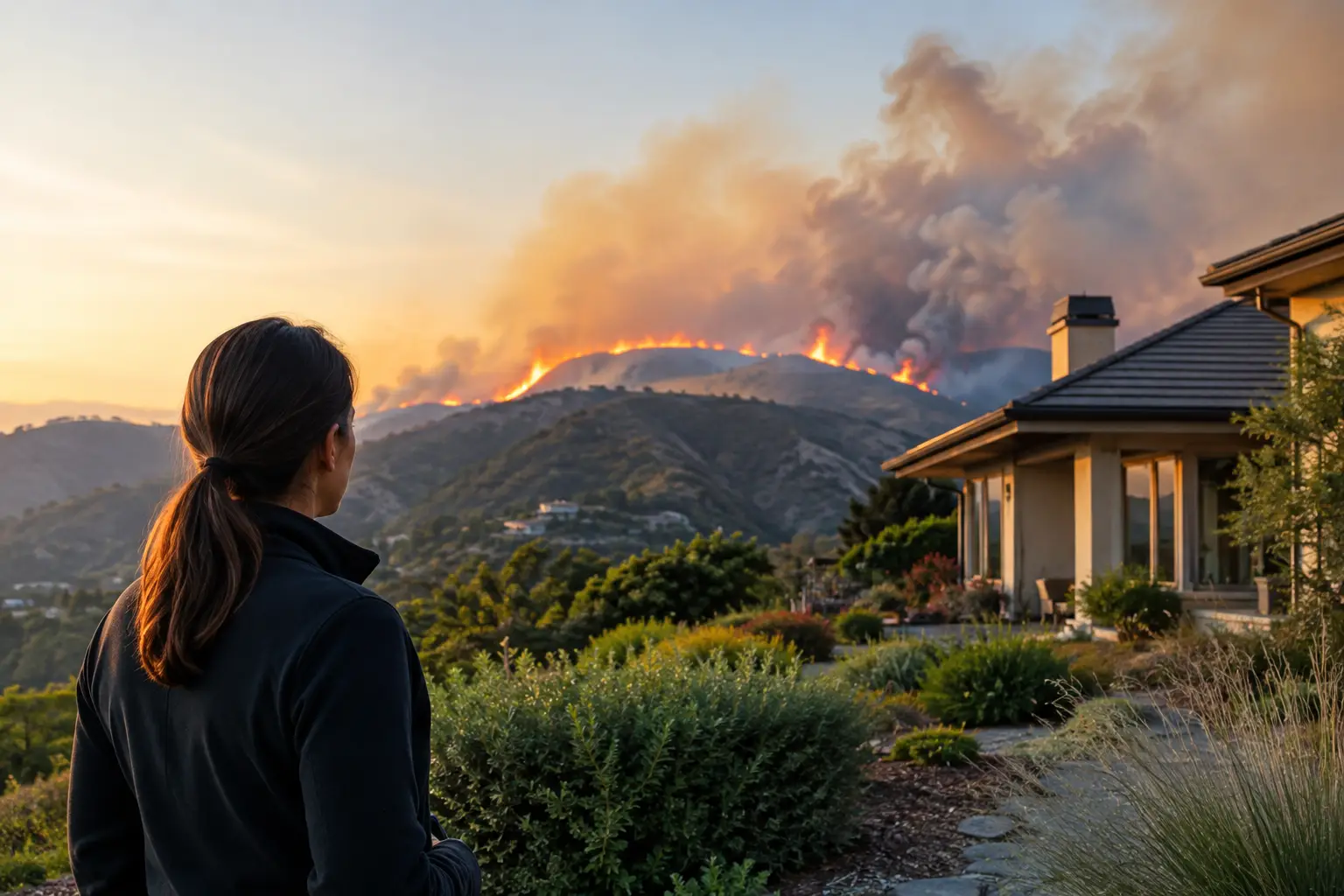
California’s property market continues to reflect the impact of catastrophe exposure. Wildfire is a leading concern in many areas, yet it is not the only factor. Severe rain, wind-driven damage, drainage issues, smoke contamination, and water intrusion can also produce substantial claims and business disruption.
Properties located near brush, canyons, or wildland-urban interfaces may receive increased underwriting attention. Carriers often evaluate vegetation management, roof materials, defensible space, access for emergency services, and proximity to neighboring structures. For multifamily owners, documented mitigation work can strengthen the underwriting presentation, although it does not guarantee a particular result.
Water losses deserve the same level of attention. Aging supply lines, deteriorated drain systems, failing water heaters, and roof drainage failures can affect several units at once. Preventive inspections, leak-detection technology, prompt repair protocols, and records of plumbing upgrades can help reduce both frequency and severity. They also give an insurance advisor a more complete story to present to underwriters.
Liability exposure extends beyond the lease
Apartment ownership brings daily interaction with residents, guests, vendors, and service providers. A liability claim may arise from a slip-and-fall event, inadequate lighting, a balcony concern, a security allegation, water damage affecting personal property, or an alleged failure to maintain habitable premises. Even when a claim is disputed, legal defense can be expensive and disruptive.
This is why general liability limits should be evaluated in the context of the entire ownership structure. A larger property, greater foot traffic, amenities such as pools or fitness areas, and concentrated asset values may warrant a more substantial liability strategy. Excess or umbrella liability can provide an additional layer above underlying coverage, subject to policy terms and eligibility.
Owners should also review contractual risk transfer. Vendor agreements, property management contracts, and maintenance relationships should clearly address indemnification and insurance requirements. Certificates of insurance are useful, but they are not a substitute for reviewing the actual contract language and confirming that coverage expectations are realistic.
Income Protection Is Becoming More Important
When a covered property loss makes units uninhabitable, the financial impact is not limited to repairs. Rental income may be interrupted while the building is restored, residents are relocated, permits are obtained, and work is completed. In a high-value multifamily operation, that interruption can place pressure on debt obligations, payroll, vendor commitments, and investor expectations.
Loss of rental income coverage, often included within business income and extra expense protection, should be tailored to the property’s anticipated recovery timeline. The appropriate period of restoration depends on many factors: local permitting, availability of skilled labor, the extent of damage, building age, and potential code requirements. A modest water event and a widespread fire loss do not have the same recovery path.
Owners should avoid treating this coverage as a standard line item. A thoughtful review considers actual rents, occupancy patterns, lease terms, operating expenses that continue after a loss, and the time required to stabilize operations. This is one area where tailored solutions can protect business continuity far more effectively than a generic policy design.
Underwriting Rewards a Clear Risk Story
One of the most practical multifamily insurance market trends is the growing value of information. Underwriters often need more than a schedule of locations and prior loss runs. They want to understand how the property is managed and whether ownership takes prevention seriously.
A well-prepared submission may include updated building details, renovation dates, roof and plumbing documentation, fire-protection information, maintenance procedures, photographs, occupancy information, and a concise explanation of any past claims. If a prior loss led to meaningful corrective action, that context matters. A carrier may view a single resolved event differently from a recurring problem with no documented response.
Property management practices also influence the risk story. Regular common-area inspections, incident reporting, vendor oversight, resident communication, and emergency-response procedures can demonstrate a disciplined approach to safeguarding assets. No program eliminates risk, but consistent controls can make a property more understandable and more defensible in a selective insurance environment.
Coverage Reviews Should Follow Property Changes
Insurance should evolve when the asset evolves. A major renovation, a change in property management, new amenities, altered occupancy, an acquisition, or a refinance can all create reasons to reassess coverage. Waiting until renewal may be appropriate for minor changes, but material developments should be discussed promptly with a trusted advisor.
For example, renovating kitchens and bathrooms can improve resident appeal while also changing replacement-cost assumptions. Installing solar equipment, adding security systems, or converting storage areas may introduce new property or liability considerations. Even positive improvements should be reflected accurately in the insurance program.
It is equally important to distinguish between common policy gaps and losses that may require separate protection. Flood, earthquake, equipment breakdown, employment practices liability, cyber liability, and certain ordinance-related costs can involve specialized coverage decisions. Whether these protections make sense depends on the location, ownership structure, operational practices, lender requirements, and the owner’s overall risk tolerance.
A More Deliberate Approach to Multifamily Protection
The market may remain demanding, but apartment owners are not without options. Strong building data, sound maintenance, realistic valuations, and a carefully structured coverage program can improve decision-making at renewal and after a loss. The right approach is not to pursue the most simplified policy. It is to identify the exposures that could meaningfully affect the property, its income, and the people who depend on it.
At Koda Insurance Services, we believe meaningful protection starts with listening to the full story behind an asset. For California multifamily owners, that means bringing local risk awareness and strategic coverage guidance to decisions that deserve more than a transactional answer. A well-timed policy review can provide the clarity to protect what matters most long before a claim tests the plan.