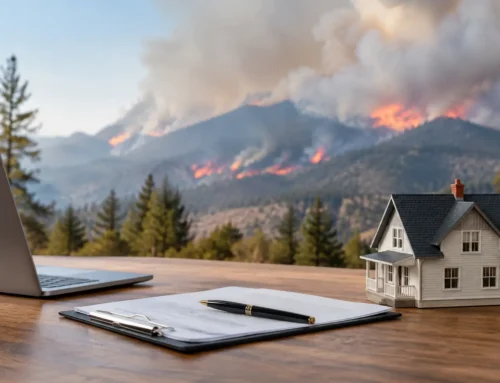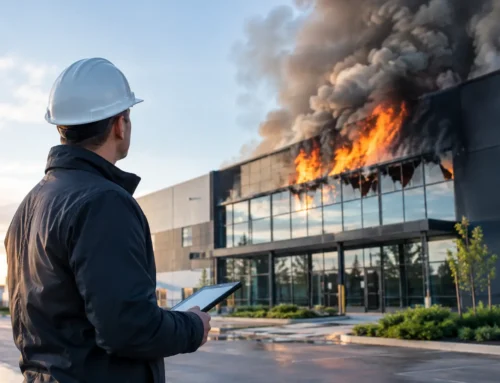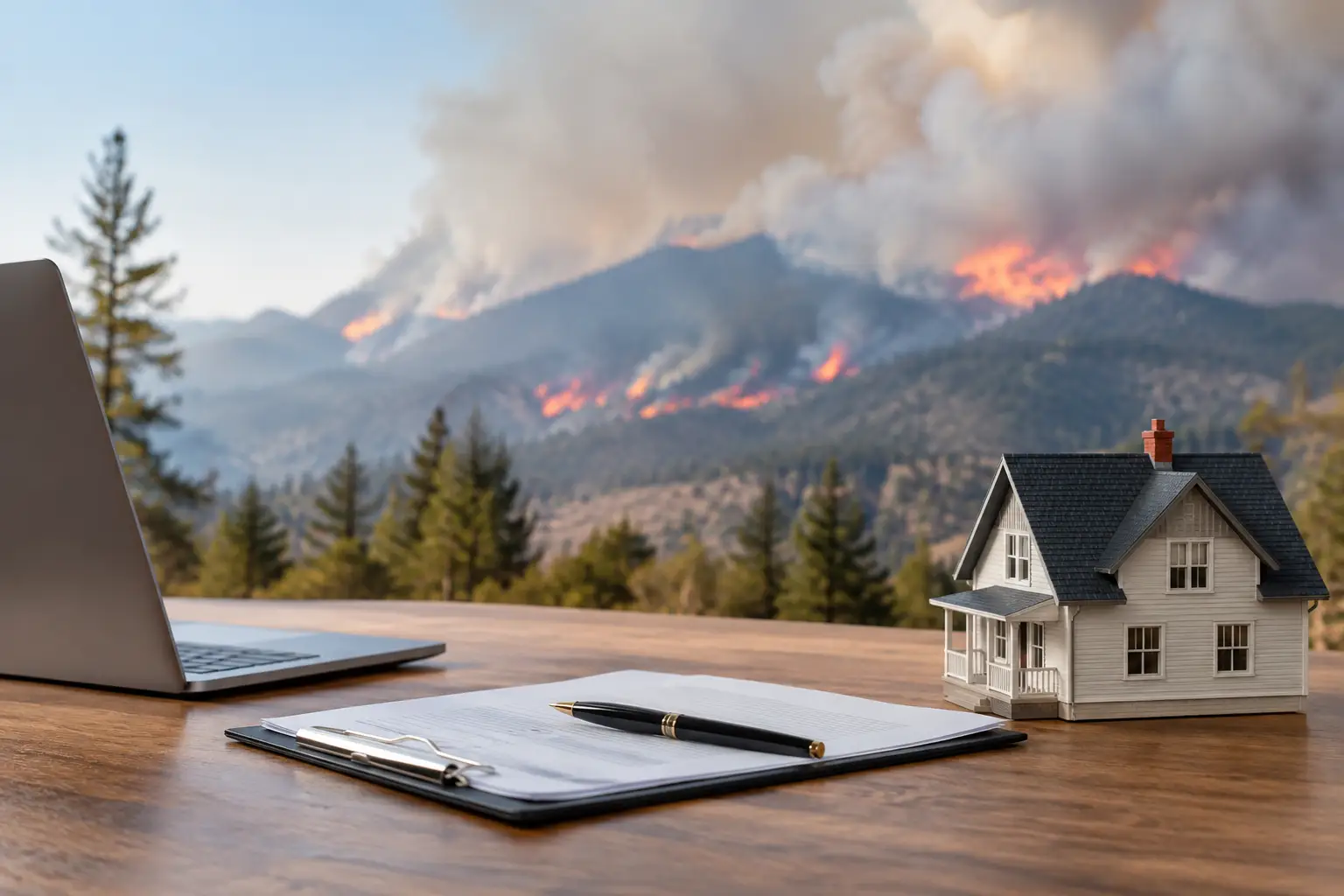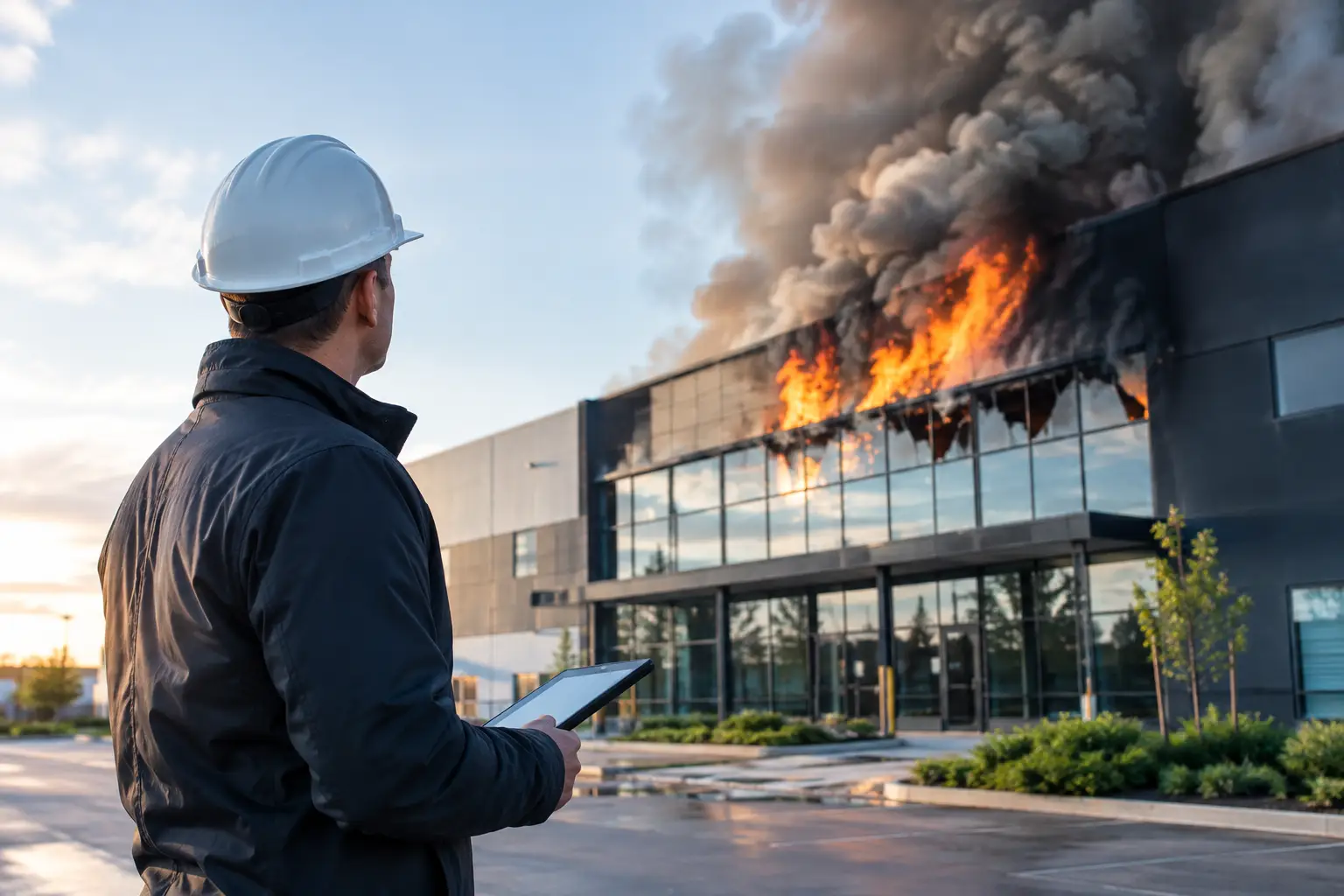
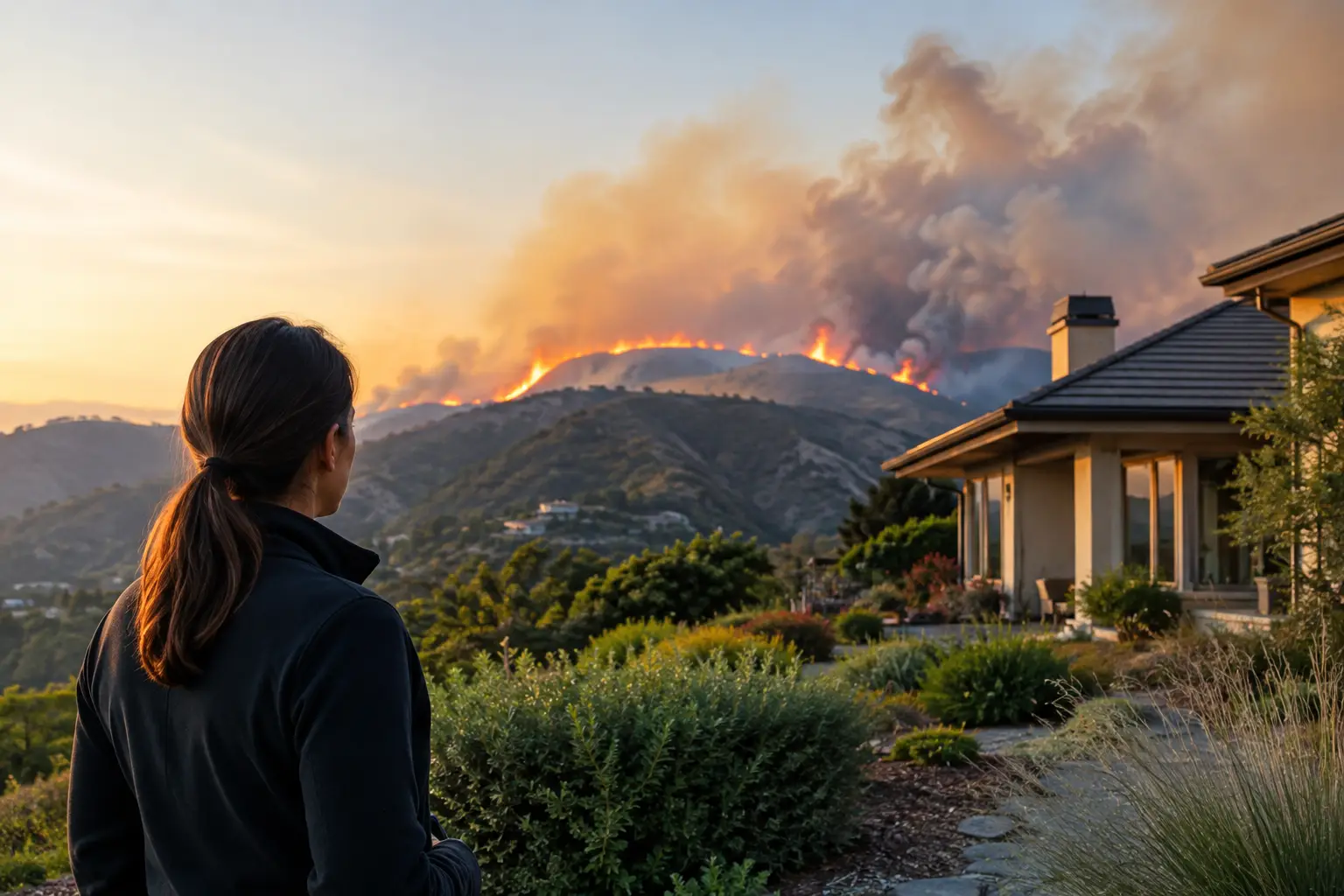
A wind-driven fire can turn a well-performing commercial property into a complex financial event within hours. For California owners, knowing how to manage wildfire exposure means looking beyond a map or a policy declaration page. It requires a coordinated plan for the building, its occupants, its income stream, and the coverage that supports recovery.
For commercial landlords, apartment owners, and business leaders, wildfire preparedness is not a seasonal task. It is a long-term risk management discipline that protects the assets and people who depend on them.
Start With the Exposure You Actually Have
Wildfire risk is not limited to properties directly adjacent to open space. Embers can travel well ahead of a fire front, entering roof vents, collecting in gutters, igniting landscaping, and reaching combustible materials stored near a structure. Smoke, evacuation orders, utility interruptions, road closures, and restricted site access can also disrupt operations even when a building is not physically damaged.
A meaningful assessment begins with the property itself. Review the building’s location, topography, nearby vegetation, access roads, construction type, roof material, vents, windows, and defensible space. A warehouse in an industrial corridor may face a different risk profile than an apartment community on a hillside, but both may be vulnerable to smoke damage, service interruption, or loss of rental income.
For landlords, exposure extends to tenant operations. A retail tenant that handles flammable materials, an industrial tenant with outdoor storage, or a restaurant tenant with rooftop equipment can affect the overall risk picture. Lease requirements should clearly address maintenance duties, insurance obligations, indemnification, emergency access, and tenant cooperation during a wildfire event.
Harden the Property Against Ember and Fire Damage
Property hardening does not eliminate wildfire exposure, but it can reduce the likelihood that embers become a larger loss. Prioritize upgrades based on your building’s vulnerabilities and the recommendations of qualified contractors, fire-safety professionals, and local authorities.
Start with the roofline and the immediate perimeter. Keep gutters, roofs, patios, loading areas, and exterior drains clear of leaves, needles, and other combustible debris. Use noncombustible or ignition-resistant materials where practical when replacing roofing, siding, fencing, decks, or exterior fixtures. Enclose open eaves where appropriate and consider ember-resistant vent protection designed for the building’s ventilation needs.
Landscaping deserves the same attention as the structure. Maintain defensible space by reducing dry vegetation, trimming tree limbs away from roofs and chimneys, separating plantings, and moving combustible furniture, pallets, dumpsters, and stored materials away from buildings. This work needs regular upkeep. A property that is well maintained in spring may have a very different fuel load by late summer.
Apartment communities require an additional layer of coordination. Common areas, balconies, storage spaces, parking zones, and trash enclosures can become ignition points if maintenance responsibilities are unclear. Written rules, routine inspections, and clear communication help property managers and residents act quickly when conditions change.
Build a Wildfire Continuity Plan Before an Evacuation
Physical protection matters, but a building can remain standing while its business function is interrupted. Loss of power, damaged telecommunications equipment, blocked access, employee displacement, and evacuation orders can all affect revenue and decision-making. A continuity plan turns a stressful event into a more manageable operational response.
Assign a small response team with clear authority to make site decisions. That team should have current contact information for owners, property managers, key tenants, contractors, restoration vendors, legal counsel, and insurance advisors. Keep this information available in a secure cloud location and offline, since power and cellular service may be disrupted.
Document the property before fire season. Updated photographs and video of exterior elevations, roofs, mechanical systems, tenant improvements, inventory areas, and high-value equipment can provide valuable context if a claim arises. Maintain copies of leases, invoices, construction records, maintenance logs, payroll data, rent rolls, and financial statements. For an apartment owner, records of occupancy, unit condition, and temporary housing communications may be particularly important.
Your plan should also answer practical questions: Who can authorize emergency repairs? How will tenants receive evacuation and re-entry instructions? Where will management operate if the office is inaccessible? What procedures protect sensitive tenant and employee information if staff must work remotely? The right answers depend on the property and business, but they should be decided before an emergency.
Review Insurance as Part of How to Manage Wildfire Exposure
Insurance is a critical component of wildfire risk management, yet the value of a policy is determined by its terms, limits, valuation approach, deductibles, and exclusions – not by its existence alone. California’s challenging property market makes a proactive review especially important for buildings in or near high-fire-hazard areas.
For commercial real estate, confirm that the building limit reflects a current replacement cost estimate rather than a historic purchase price, tax assessment, or outdated appraisal. Construction costs, labor availability, code requirements, and material pricing can change quickly after a regional catastrophe. Underinsuring a building can create difficult decisions at precisely the time an owner needs flexibility.
Business income and extra expense coverage also warrant close attention. A commercial landlord may lose rental income after covered physical damage, while a business owner may face lost revenue and continuing expenses during a suspension of operations. The appropriate limit and restoration period depend on the property type, lease structure, rebuilding complexity, tenant mix, and likelihood of post-catastrophe construction delays.
Review whether your policy addresses related concerns such as ordinance or law coverage, debris removal, equipment breakdown, service interruption, pollution considerations, and temporary relocation needs. Coverage varies by carrier and policy form, so assumptions can leave gaps. Smoke damage, civil authority restrictions, and losses caused by utility shutdowns may also require careful policy-specific analysis.
Some properties require specialty fire coverage or a layered insurance approach when standard market capacity is limited. This is where a knowledgeable independent advisor can make a meaningful difference. The goal is not simply to secure a policy. It is to build tailored protection that supports the financial strength of the asset and the obligations tied to it.
Protect the Income Stream and the Capital Structure
Wildfire losses can affect more than the physical structure. Lenders may require specific insurance provisions, updated valuations, and evidence of continuous coverage. Investors may need timely communication about damage, occupancy, anticipated repairs, and potential income disruption. A property owner who understands these obligations in advance is better positioned to preserve confidence during a difficult event.
Review loan documents, partnership agreements, and major leases alongside the insurance program. Look for insurance requirements, notice obligations, deductible responsibilities, rent-abatement provisions, and lender loss-payee language. If a tenant’s operations create an elevated fire risk, verify that lease insurance requirements are meaningful and that certificates are collected and reviewed on schedule.
It may also be wise to maintain a documented capital plan for deductibles, emergency repairs, and temporary operations. Insurance is designed to respond to covered losses, but claims take time to investigate, adjust, and resolve. Accessible reserves and prearranged vendor relationships can help keep recovery moving while the claim process unfolds.
Respond Deliberately After a Wildfire Event
After authorities confirm it is safe to return, document conditions before substantial cleanup begins. Photograph and video visible damage, smoke residue, water intrusion, fallen trees, damaged fencing, and affected equipment. Take reasonable steps to prevent additional damage, such as securing openings or arranging emergency mitigation, while keeping receipts and detailed records.
Notify your insurer or advisor promptly, then maintain a clear claim file with dates, contacts, estimates, invoices, tenant communications, and records of lost income or extra expenses. Avoid discarding damaged property until the carrier or adjuster has had an opportunity to inspect it, unless immediate disposal is necessary for safety or required by local authorities.
Communication is part of recovery. Tenants, employees, lenders, and investors do not need speculation, but they do need timely, accurate updates about access, safety, repairs, and next steps. A calm, organized response protects relationships as well as property value.
Wildfire exposure cannot always be avoided, especially for owners with meaningful California real estate holdings. It can, however, be managed with disciplined maintenance, thoughtful continuity planning, accurate valuations, and strategic coverage designed for the way your assets operate. At Koda Insurance Services, we believe protecting what matters most starts with a conversation that looks carefully at the risks before they become a loss.