
A building can look unchanged from one renewal to the next while its insurance needs have shifted substantially. Construction costs rise, a tenant improves its suite, a lease changes responsibility for repairs, or a vacant space remains unoccupied longer than planned. A thoughtful commercial property policy review turns those changes into informed coverage decisions before a loss puts them under a microscope.
For California commercial landlords, investors, property managers, and apartment owners, this is not merely a renewal exercise. It is a practical part of protecting wealth, preserving rental income, and meeting the obligations tied to a valuable real estate asset. The right review considers the policy as a whole: what it insures, what it excludes, where limits may fall short, and whether the ownership and operational details still match reality.
Why a Commercial Property Policy Review Deserves Attention
Insurance policies are built on information provided at a particular moment. Over time, that information can become incomplete. A replacement-cost limit that was appropriate several years ago may no longer reflect labor, material, permitting, demolition, debris removal, or code-upgrade costs after a major covered loss.
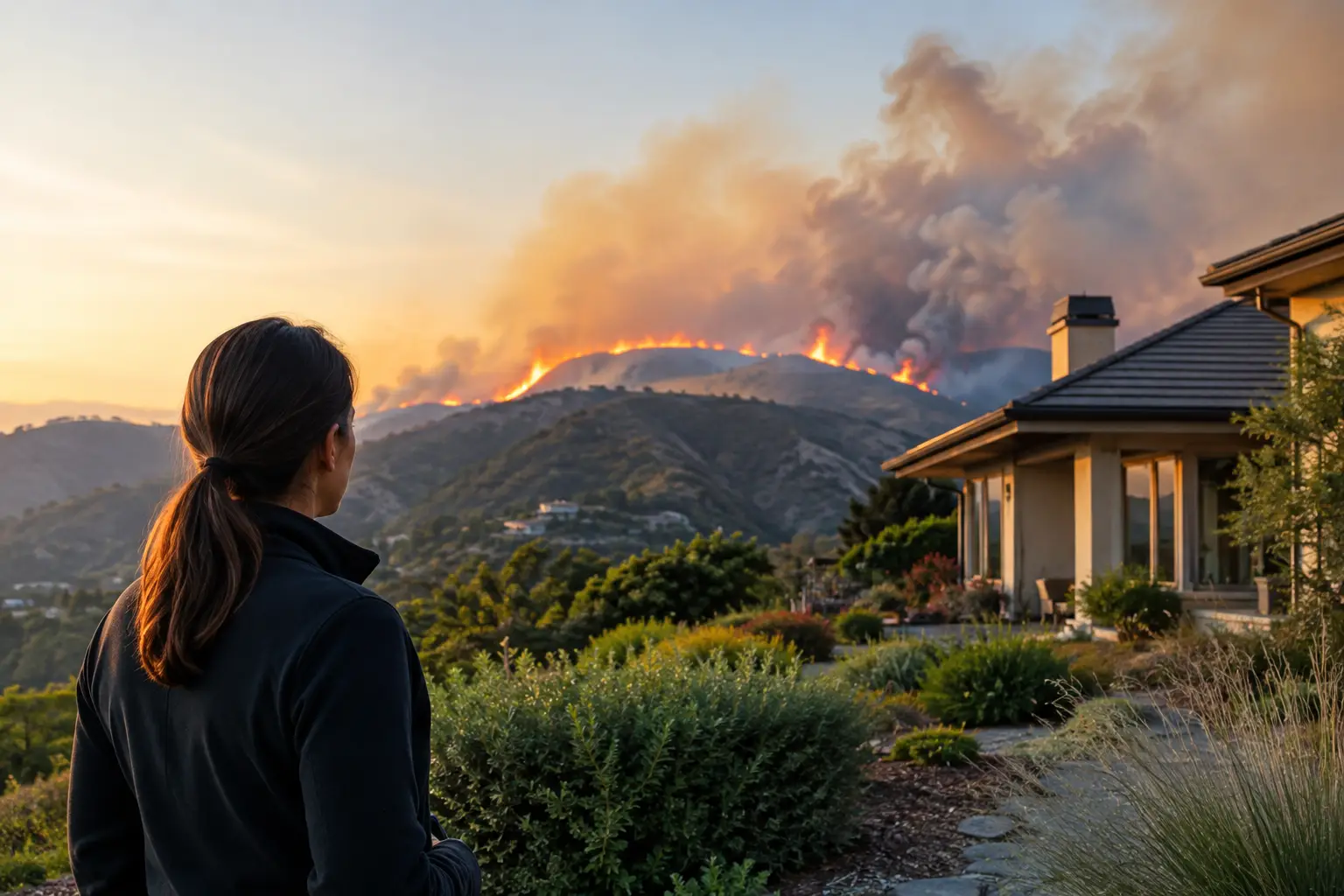
The issue is especially relevant in California. Properties may face wildfire exposure, wind, water intrusion, earthquake concerns, high reconstruction costs, and strict building requirements. A policy can have a meaningful property limit and still leave difficult questions after a loss if its valuation method, deductibles, sublimits, or endorsements do not fit the building and its location.
A review also protects against an opposite problem: paying for coverage structured around risks the property no longer has. The goal is not to reduce protection. It is to make protection intentional, current, and appropriate for the asset you have built.
Start With the Building’s True Replacement Cost
Market value and replacement cost are not the same figure. Market value reflects what a buyer may pay for a property, influenced by location, tenant demand, income, and land value. Replacement cost addresses what it would take to rebuild the structure with like kind and quality following a covered loss.
That distinction matters. A well-located office or retail building may have a market value that is higher or lower than the cost to reconstruct it. Insurance should be based on the policy’s valuation terms and a supportable reconstruction estimate, not on a property tax assessment or a purchase price alone.
During a review, confirm the building description is accurate. Square footage, occupancy, construction type, roof age, fire-protection features, tenant improvements, detached structures, and recent renovations all affect the coverage conversation. If you have upgraded electrical systems, installed solar equipment, remodeled common areas, or added high-value finishes, those details should be reflected.
Understand Coinsurance and Valuation Terms
Many commercial property policies include a coinsurance condition. In simple terms, it may require the property to be insured to a specified percentage of its value. If the reported limit is materially below the required amount, a claim payment can be reduced even when the loss is smaller than the total building limit.
Some policies use agreed value or other valuation approaches that can change how this condition applies. The details matter, and the best structure depends on the carrier, property type, and available underwriting information. A qualified advisor can help you review the valuation basis rather than assuming the declaration-page limit tells the entire story.
Protect the Income the Property Produces
A serious property loss can interrupt more than the use of a building. It can stop rent payments, delay tenant occupancy, increase operating expenses, and create financing pressure while repairs are underway. Business income coverage, often called loss of rents for landlord risks, is designed to help address that financial disruption after a covered loss.
The appropriate limit and restoration period depend on the property. A small warehouse with a stable tenant may present different income concerns than a mixed-use property, an apartment complex, or a retail center with several leases and complex build-back requirements. Consider gross rental income, continuing expenses, vacancy assumptions, lease obligations, and the realistic time required to repair and regain occupancy.
Do not overlook extended business income or extended period of indemnity provisions. Physical repairs may be complete before tenants return, approvals are finalized, or revenue returns to its pre-loss level. The wording may provide additional protection during that transition, but its duration and conditions should be reviewed carefully.
Examine Deductibles, Sublimits, and Property-Specific Perils
The deductible is the amount the insured retains in a covered loss, but it is not always one flat dollar amount. Depending on the policy and location, separate deductibles may apply for wind, wildfire-related losses, water damage, or other causes of loss. Percentage deductibles can be particularly significant because they may be calculated from a building limit rather than the size of the loss.
Sublimits deserve equal attention. They can apply to categories such as ordinance or law coverage, sewer backup, equipment breakdown, electronic data, outdoor property, debris removal, and certain water-related damage. A policy may provide broad-looking coverage at first glance while placing lower caps on costs that become substantial during restoration.
For California owners, wildfire and brush-zone exposure should be discussed openly. Coverage availability, deductibles, inspections, risk-mitigation expectations, and the need for specialty placement can differ by location. Earthquake and flood are also typically addressed through separate coverage arrangements rather than assumed to be included under a standard commercial property form. Whether those coverages make sense depends on location, lender requirements, building characteristics, financial capacity, and the owner’s long-term risk strategy.
Confirm That Liability and Lease Obligations Work Together
Commercial property protection should not be reviewed in isolation from general liability and the lease. A landlord may be named in a claim involving common areas, building conditions, security allegations, maintenance responsibilities, or an injury connected to the premises. The lease can assign certain obligations to tenants, but a contractual provision does not replace an owner’s own liability coverage.
Review who is named as an insured, including ownership entities, managers, and any additional insured requirements. If a building is held in a newly formed LLC, family trust, or partnership, confirm it is listed correctly. An entity name that is missing or outdated can create avoidable complications when a claim occurs.
Lease requirements should also be coordinated with tenant insurance certificates. For example, tenants may be required to carry general liability, name the landlord as an additional insured, insure their own business personal property, and waive subrogation where appropriate. Those requirements are only useful when they are clear, current, and consistently administered.
Review Changes in Occupancy and Operations
Insurers evaluate a building not only by its construction but also by how it is used. A shift from professional office space to medical, restaurant, fitness, cannabis-related, manufacturing, or light industrial occupancy can materially affect the risk profile. The same is true when a building becomes partially vacant, undergoes renovation, or houses a tenant with substantial cooking, storage, or public traffic exposure.
Vacancy deserves special care. Many commercial forms restrict certain coverage after a building has been vacant for a stated period, often 60 days. The definition of vacancy can vary by policy and property type. A vacant suite in an otherwise active retail center is different from an almost entirely unoccupied building, so the facts should be discussed before assuming coverage will respond as expected.
For apartment and habitational owners, a review should also address unit count, renovations, common-area features, security measures, pools, playgrounds, laundry facilities, and any short-term or furnished rental activity. These operational details affect both property and liability risk management.
Build a Review Around Documentation, Not Assumptions
An effective review is easier when property records are organized. Keep renovation invoices, contractor scopes, equipment lists, current leases, tenant certificates, recent appraisals, photos, and maintenance records available. These materials help support accurate underwriting and can be invaluable after a loss.
It is wise to schedule the review well before renewal, especially for properties in high-fire areas or with complex occupancy. Early conversations give your advisor time to address inspection recommendations, valuation questions, and alternative coverage structures without unnecessary pressure.
At Koda Insurance Services, we believe commercial insurance should reflect the care you have put into acquiring and operating your properties. A tailored review brings together property values, income exposure, lease obligations, and California-specific hazards so your coverage can support the future of the asset, not just its past.
The most useful next step is simple: compare your current policy against what has changed at the property in the last year. A new roof, a tenant turnover, an ownership update, or a shift in rebuilding costs may be the detail that makes a meaningful difference when protecting what matters most.