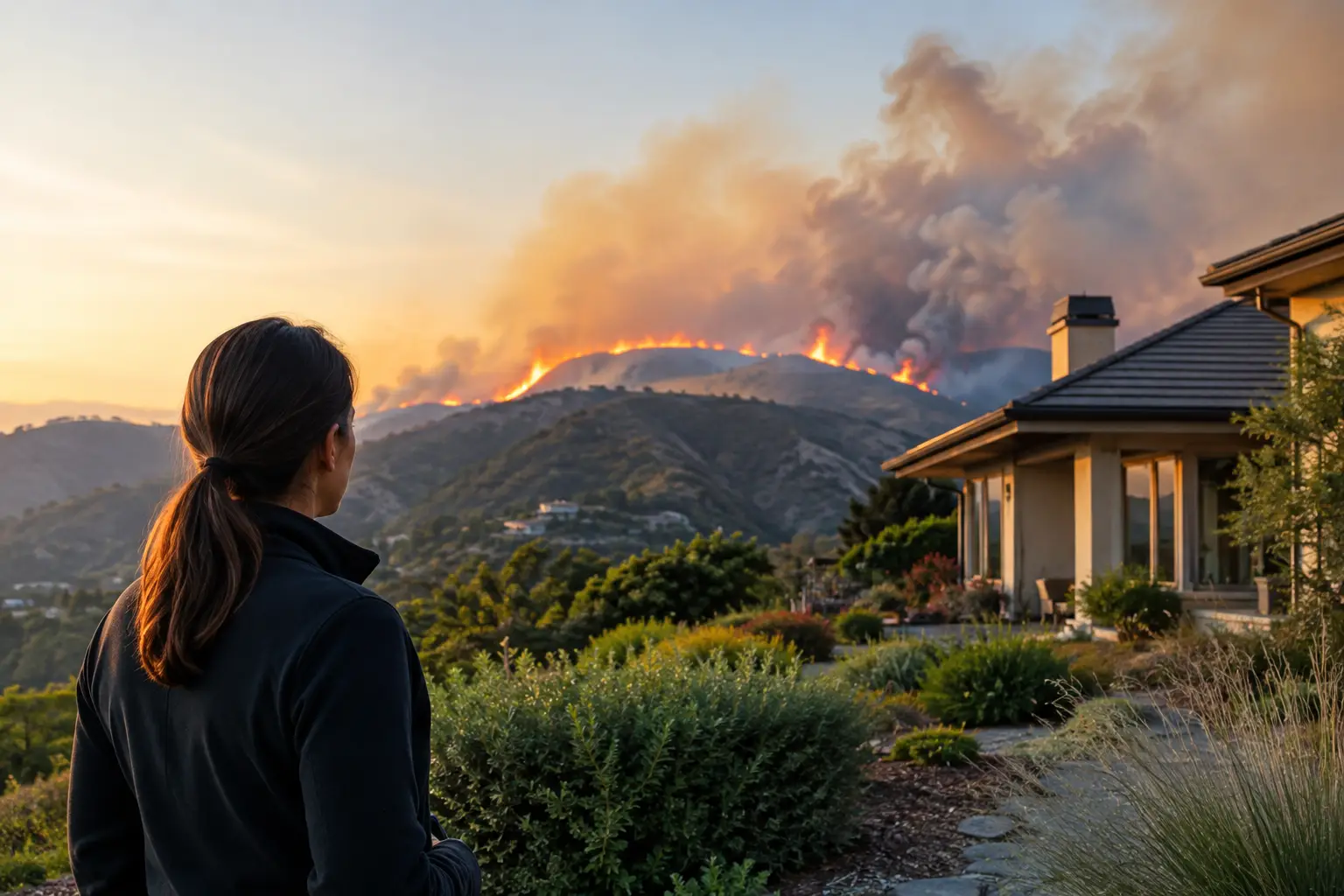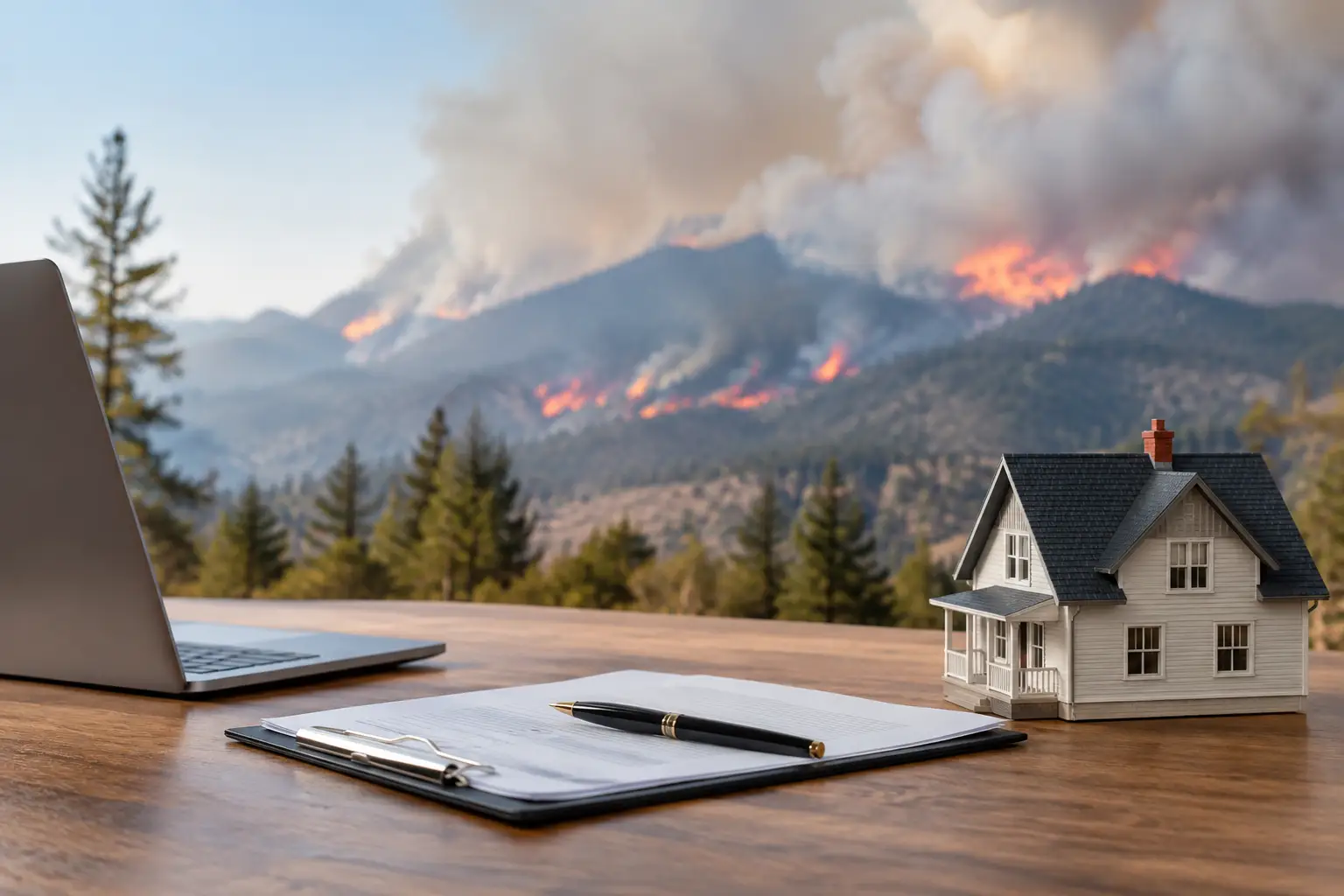

The first 72 hours after a wildfire can shape the entire recovery of a commercial building or apartment community. Access may be restricted, tenants may be displaced, and visible fire damage may be only part of the loss. A wildfire property claim can also involve smoke infiltration, water damage from suppression efforts, damaged landscaping, code-required rebuilding changes, and lost rental income. For California property owners, a disciplined response helps safeguard both the physical asset and the income it supports.
Start the Wildfire Property Claim With Safety and Evidence
Do not enter a damaged property until local authorities say it is safe. Fire can compromise roofs, electrical systems, stairwells, retaining walls, and structural connections in ways that are not obvious from the street. If the site is part of an apartment complex, communicate clearly with residents about access restrictions, habitability, and the next point of contact.
Once entry is permitted, document conditions before major cleanup begins. Take wide-angle photographs and video of each building exterior, roofline, parking area, landscaping, fencing, signage, mechanical equipment, and common area. Then capture closer images of specific damage. Include soot, ash, melted materials, broken windows, water intrusion, and damage to tenant improvements where applicable.
A useful file should also contain the date and time of the loss, evacuation orders, fire incident information, repair invoices, emergency mitigation proposals, tenant communications, and photographs taken before the event. For owners with several locations or buildings, organize evidence by address and building number from the beginning. That structure can prevent a complicated claim from becoming harder to substantiate later.
Notify the carrier promptly and preserve damaged property when practical. Emergency work may be necessary to protect the premises from further loss, such as boarding openings, installing temporary fencing, tarping a roof, or beginning water extraction. Keep invoices, work authorizations, and before-and-after documentation. The duty to protect property after a loss generally does not mean an owner should begin permanent repairs without understanding the claim process.
Look Beyond Visible Fire Damage
A building does not need to burn to sustain a serious wildfire loss. Smoke and soot can travel through HVAC systems, settle behind walls, contaminate insulation, and affect finishes throughout a property. Water used in fire suppression can cause separate damage to flooring, drywall, electrical components, and equipment. Ash may also damage roofs, drains, exterior coatings, and sensitive mechanical systems.
This is why a careful assessment matters. A contractor who focuses only on what is visibly charred may overlook damage that affects safety, indoor air quality, tenant operations, or the building’s long-term value. Depending on the property and extent of exposure, the assessment may require input from restoration specialists, engineers, industrial hygienists, electricians, roofing professionals, and HVAC technicians.
For commercial landlords, the boundary between building damage and tenant responsibility also deserves attention. Lease terms often determine who is responsible for certain improvements, fixtures, inventory, or restoration obligations. Even when a tenant carries its own insurance, the building owner should not assume that tenant actions or claims will resolve the owner’s property loss. Review the lease, document the condition of the space, and coordinate communications carefully.
Smoke Claims Require Clear Scope
Smoke damage is frequently disputed because it can be difficult to see and because cleaning methods vary. The relevant question is not simply whether smoke entered the premises. It is whether the event caused physical damage requiring cleaning, repair, replacement, testing, or other reasonable remediation under the policy.
Owners should ask for a written scope of damage that identifies affected areas, recommended remediation methods, and the basis for repair or replacement recommendations. This creates a more useful record than a general statement that a building “smells smoky” or appears unaffected. It also gives the owner, carrier, and restoration team a common foundation for evaluating the work.
Understand What the Policy May Pay For
The declarations page shows limits and deductibles, but the policy language controls how the loss is evaluated. A property policy may address direct physical loss to covered buildings, business personal property, debris removal, and certain extra expenses. Yet the outcome depends on the cause of loss form, exclusions, endorsements, deductibles, valuation method, and the facts of the event.
Replacement cost coverage may help pay the cost to repair or replace covered property without a deduction for depreciation, subject to policy conditions. Actual cash value coverage accounts for depreciation. That distinction can materially affect an older roof, HVAC system, exterior finish, or other aging component.
For an income-producing property, business income coverage or rental value coverage can be just as consequential as the building limit. These protections may respond to lost rents and continuing expenses when covered damage makes premises untenantable or interrupts operations. Coverage periods, waiting periods, and restoration requirements matter. A property that is physically repairable but cannot reopen due to permitting delays, utility disruptions, or tenant build-out questions may require a more detailed analysis.
Civil authority coverage can also be relevant when a government order limits access to a property because of nearby damage. It is usually narrow, time-limited, and tied to specific policy conditions. Owners should avoid assuming that every evacuation order creates coverage, but they should preserve the order and discuss its effect with their claims team.
Ordinance and Law Coverage Can Change the Rebuild
After a major fire, local building departments may require improvements that did not exist when the property was originally constructed. Updated fire sprinklers, accessibility features, energy standards, electrical upgrades, or changes to damaged and undamaged portions of a structure can add significant cost.
Standard property coverage may not fully address these added expenses. Ordinance or law coverage is designed to address certain costs arising from enforcement of building codes, but its structure and limits vary. This is a strategic coverage issue for owners of older commercial buildings and multifamily properties, particularly in California communities where rebuilding requirements can be exacting.
Manage the Adjuster Relationship With Precision
The carrier’s adjuster is a central part of the process, and timely cooperation is productive. Provide requested documentation, identify urgent site conditions, and make the property available for inspection. At the same time, keep your own organized record of every conversation, inspection, estimate, and decision. Confirm material discussions by email when appropriate.
Do not feel pressured to accept a scope before you understand what it includes and excludes. An initial estimate is often just that – an initial estimate. Hidden damage, demolition findings, engineering results, permit requirements, and contractor pricing can change the repair scope. If supplemental damage is discovered, document it immediately and submit it through the established claim process.
The right approach is professional and fact-based. Focus on the damaged property, policy terms, repair evidence, and documented financial impact. A well-prepared owner is better positioned to keep the claim moving without turning ordinary questions into avoidable conflict.
Protect Tenants, Income, and the Property’s Future
For apartment owners and commercial landlords, wildfire recovery is also a tenant-relations challenge. Residents and business tenants need accurate updates, not promises that cannot yet be kept. Explain what is known, what access restrictions apply, how emergency repairs are being handled, and where they should direct property-related questions.
Keep a clear record of vacancies, rent concessions, lease terminations, temporary closures, and continuing operating expenses. These records can support a business income or rental value claim while helping ownership understand the property’s real financial exposure. Separate ordinary operating costs from loss-related expenses whenever possible.
A wildfire may also reveal coverage gaps that were not apparent before the event. Building values may have fallen behind reconstruction costs. Deductibles may be higher than ownership anticipated. A policy may provide limited protection for code upgrades, debris removal, utility service interruption, or extended loss of income. These are not issues to postpone until the next renewal if the property has already suffered a loss.
Prepare Before the Next Fire Season
The strongest wildfire property claim is supported by preparation that began before smoke appeared on the horizon. Maintain current building valuations, detailed property schedules, photographs, lease files, vendor contacts, and digital copies of insurance policies. Review tenant insurance requirements and make sure they align with the property’s risk profile.
For properties in or near high-fire-risk areas, a tailored strategy may include specialized fire coverage, appropriate deductibles, adequate ordinance and law limits, and business income protection that reflects the actual time needed to recover. Insurability can be challenging in parts of California, but thoughtful risk management and well-documented property maintenance can make a meaningful difference.
At Koda Insurance Services, we view this planning as part of protecting what matters most: the building, the income it generates, the tenants who rely on it, and the long-term value your family or business has built. When a wildfire threatens that foundation, clear documentation, strategic coverage, and steady guidance give owners a stronger path forward.