
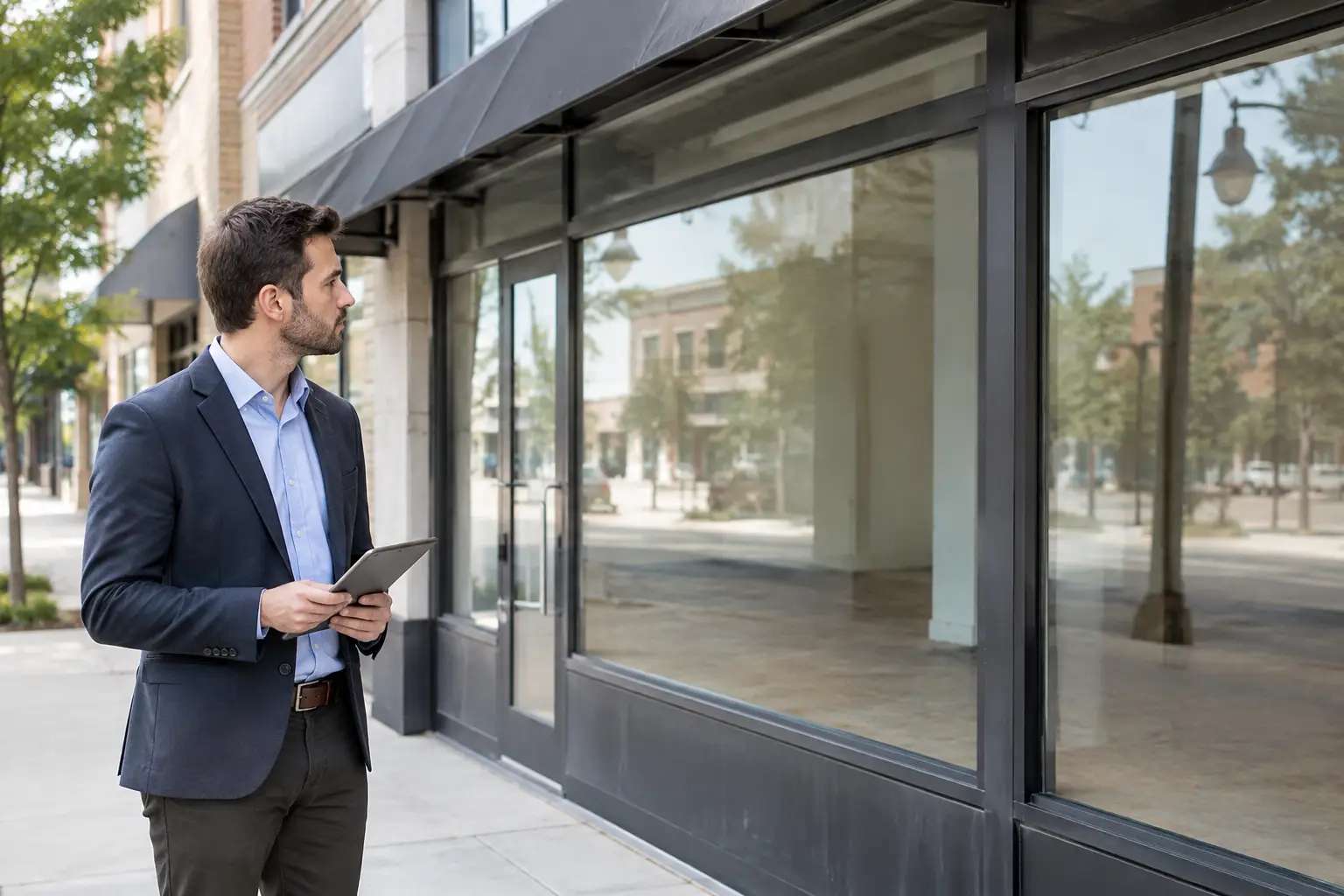
A storefront can become more vulnerable the day its doors close, even when the building itself is in excellent condition. Learning how to protect vacant storefronts means looking beyond a locked front door. Vacant retail space can attract trespassing, vandalism, theft, water damage, fire hazards, and liability claims, while an extended vacancy may also change how an insurer responds to a loss.
For commercial landlords and investors, the goal is not simply to hold an empty space until the next lease begins. It is to preserve the building, protect nearby tenants and visitors, support future leasing value, and keep insurance coverage aligned with the property’s actual condition. A thoughtful vacancy plan creates peace of mind during a period that can otherwise expose a valuable asset to unnecessary risk.
Start With a Vacancy Risk Assessment
Not all vacant storefronts carry the same exposure. A single retail suite in a fully occupied shopping center may need a different strategy than a standalone former restaurant, a downtown storefront awaiting renovation, or a building in a seasonal coastal market. The surrounding foot traffic, condition of the premises, length of the vacancy, and prior tenant use all matter.
Walk the property with a practical eye. Look for accessible rear doors, unsecured roof access, aging electrical panels, abandoned equipment, combustible debris, signs of water intrusion, and visibility from the street. A vacant suite that appears neglected can become a target quickly, especially if windows are covered haphazardly or mail and flyers begin to accumulate.
Document the condition before the former tenant fully departs. Photographs, maintenance records, utility readings, and a record of keys or access codes provide a clear baseline if a claim or dispute arises later. If the space had a restaurant, salon, medical, manufacturing, or other specialized use, confirm that equipment, chemicals, grease, fuel sources, and waste have been properly removed or secured.
Secure the Building Without Making It Look Abandoned
Physical security works best in layers. Strong locks matter, but they are only one part of the plan. The property should appear actively managed from the exterior while access is limited and monitored behind the scenes.
Replace or rekey locks after tenant turnover, including rear entries, utility rooms, gates, roof hatches, and shared storage areas. Deactivate old alarm credentials and collect keys, access cards, and remote controls from the departing tenant. If there are master-key systems or common-area access points, coordinate the change carefully so neighboring tenants and vendors retain appropriate entry.
A monitored intrusion alarm, exterior lighting, and visible security cameras can help deter unauthorized activity and create useful documentation after an incident. Cameras should cover primary doors, rear alleys, loading zones, dumpster areas, and parking access, not merely the front window. Make sure the system has reliable power, tested connectivity, and a defined contact list for alarm notifications.
Boarding windows may sometimes be necessary after damage or in a high-exposure location, but it can signal prolonged vacancy if handled poorly. When possible, use clean, professionally installed security panels, interior window coverings, or temporary graphics that keep the storefront orderly. Maintaining curb appeal protects more than appearance. It tells prospective tenants, neighbors, and would-be intruders that someone is paying attention.
Maintain Regular, Documented Inspections
A vacant storefront should never be left to chance for weeks at a time. Establish a written inspection schedule based on the property’s location, construction, weather exposure, and vacancy duration. Many owners arrange weekly site visits, with more frequent checks after a storm, heat wave, nearby fire, break-in, or utility interruption.
During each visit, inspect doors and windows, test alarm indicators, look for leaks, check ceilings and floors for water damage, and remove trash, mail, or unauthorized postings. Confirm that exterior lighting works and that landscaping does not conceal doors, windows, or equipment. Keep a dated log with photographs and notes about any corrective action.
This routine is especially valuable in California, where heavy rain can reveal roof and drainage issues, dry conditions can intensify fire concerns, and vacant spaces in active commercial districts may experience repeated trespassing. Regular oversight demonstrates responsible property management and gives small problems less time to become major losses.
Control Utilities and Prevent Property Damage
Many serious vacancy losses begin quietly. A slow plumbing leak, failed HVAC component, electrical issue, or sewer backup can cause extensive damage before anyone notices. The right utility plan depends on the building and the season, but it should be intentional.
Do not automatically shut off every service. Water may need to remain available for fire suppression systems, landscaping, or maintenance, while electricity may be needed for alarms, lighting, sump pumps, cameras, and climate control. Instead, identify what must stay operational, what can be safely disconnected, and who is responsible for monitoring each system.
If water remains active, consider leak detection devices or automatic shutoff technology where appropriate. Inspect vacant restrooms, water heaters, supply lines, sprinkler risers, and roof drains closely. In spaces with fire sprinkler systems, coordinate any changes with qualified fire-protection professionals and follow applicable requirements. Disabling a system without proper planning can create a far greater loss exposure.
HVAC settings also deserve attention. Extreme heat, humidity, or stagnant interior air can damage finishes, encourage mold growth, and affect equipment. A modest level of climate control may be justified for higher-value interiors or spaces with sensitive systems. The decision should be based on the building’s condition and risk profile, not a one-size-fits-all rule.
Protect People From Liability Hazards
Vacancy does not remove a property owner’s duty to maintain a reasonably safe premises. A trespasser, contractor, prospective tenant, delivery driver, or neighboring customer can still be injured on or near the property. Uneven pavement, broken glass, unsecured construction materials, poor lighting, and damaged signage can all create costly liability concerns.
Keep sidewalks, entryways, parking areas, and common areas in safe condition. Address trip hazards promptly, secure vacant signage, and make sure exterior lighting supports safe access. If contractors are renovating the space, clearly define who is responsible for site safety, certificates of insurance, access control, and cleanup.
Construction or tenant-improvement work can introduce another set of exposures. Open walls, temporary wiring, ladders, tools, and dumpsters change the risk profile of a property. Before work begins, review contractor agreements and insurance requirements with experienced counsel and your insurance advisor. The owner should not assume a contractor’s policy automatically protects every property-related loss.
Review Insurance Before Vacancy Changes the Rules
Insurance is a critical part of how to protect vacant storefronts, but coverage must reflect reality. Many commercial property policies contain vacancy provisions that can limit coverage or change the causes of loss covered after a property has been vacant for a specified period. The definition of vacancy can vary by policy and may depend on whether the building is owner-occupied or tenant-occupied.
That is why it is wise to contact your insurance advisor as soon as you expect a prolonged vacancy, not after a loss. Share the anticipated timeline, prior use, renovation plans, occupancy status of the rest of the building, security measures, and any planned change in use. A short transition between tenants may be treated differently from a building that will remain empty during major renovations or a long leasing cycle.
A strategic review should address property coverage, loss of rental income considerations, general liability, ordinance or law exposure, equipment breakdown, and any specialized concerns tied to the location. In wildfire-prone areas, for example, exterior maintenance, vegetation management, and fire protection features may deserve particular attention. For buildings with multiple suites, confirm that the policy structure reflects the partial occupancy accurately.
Koda Insurance Services helps California commercial property owners evaluate these details with the care significant assets deserve. The right approach is tailored protection that supports the building’s current status while preserving flexibility for the next tenant and the property’s long-term value.
Create a Clear Reoccupancy Plan
The final safeguard is planning for the moment the space becomes active again. Before a new tenant takes possession, inspect the suite, test life-safety and security systems, confirm utilities, update access controls, and verify that the lease clearly assigns maintenance and insurance responsibilities. Require appropriate evidence of the tenant’s coverage before move-in, then maintain a process for tracking renewals.
A vacant storefront is a temporary condition, but the exposure is real from day one. Consistent oversight, well-maintained security, careful utility management, and a timely insurance review can protect the asset and the income it is meant to produce. Treat the vacancy period as an active phase of property management, and you will be better positioned when the right tenant is ready to open the door.