A single water-loss event can affect far more than drywall and flooring. It can displace residents, interrupt rental income, trigger habitability concerns, and place a property owner’s long-term investment under pressure. That is why apartment complex insurance California owners select should be built around the building’s true exposures, not treated as a routine renewal.
For owners and managers of multifamily properties, insurance is a central part of business continuity. California’s property values, wildfire conditions, aging infrastructure, litigation environment, and evolving building requirements make a thoughtful coverage strategy especially valuable. The objective is not simply to insure a structure. It is to safeguard the income, operations, reputation, and financial future connected to it.
What Apartment Complex Insurance Needs to Protect
A multifamily policy should begin with the physical asset itself, but it cannot end there. A well-designed program considers the building, common areas, rental revenue, third-party liability, and the practical cost of restoring the property after a covered event.
Commercial property coverage typically responds to covered damage to the building, permanently installed fixtures, and owner-owned items used to maintain or operate the premises. That can include roofs, plumbing, electrical systems, laundry equipment, leasing offices, landscaping features, fencing, and pool-area improvements. The right limit should reflect current replacement cost, not a past purchase price, tax assessment, or a figure that no longer accounts for labor and material costs.
For California properties, reconstruction can be more expensive than an owner expects. A loss may require code upgrades, specialized repairs, permit work, debris removal, and longer contractor timelines. Ordinance or law coverage can help address the added cost of complying with current building codes when a covered loss requires repair or rebuilding. It is a coverage detail that can materially affect an owner’s out-of-pocket exposure.
Business income coverage is equally significant. If units cannot be occupied after a covered loss, lost rents may continue while mortgage payments, payroll, utilities, taxes, and other obligations remain. A policy should provide a realistic period of restoration rather than assuming repairs will be completed quickly. In dense Southern California markets, permitting, material availability, and contractor scheduling can extend the timeline.
Liability Protection Is a Core Part of the Strategy
Apartment ownership carries ongoing responsibility for conditions that can affect residents, guests, vendors, and visitors. A slip on a wet walkway, an injury in a common area, a security allegation, or a claim tied to maintenance practices can develop into a substantial liability matter. General liability coverage helps protect against covered third-party bodily injury, property damage, and associated legal defense costs.
Habitability-related allegations deserve particular attention. Claims may arise from mold, water intrusion, pest conditions, heating failures, unsafe stairs, or delayed repairs. Insurance does not replace strong property management, preventative maintenance, or thorough documentation. It does, however, provide an essential financial backstop when a covered claim is made.
Liability limits should match the scale of the asset and the owner’s broader financial picture. A property held in a separate entity may still be connected to personal guarantees, management agreements, lender requirements, or a portfolio of related properties. Higher limits and an umbrella or excess liability layer can be appropriate where a serious claim could exceed the underlying policy. The appropriate structure depends on the property’s operations, location, tenant profile, amenities, and ownership arrangement.
California Catastrophe Exposures Require Clear Decisions
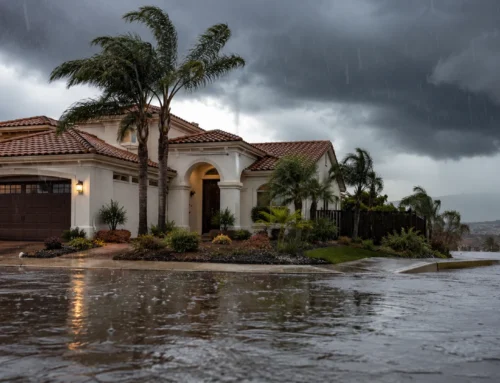
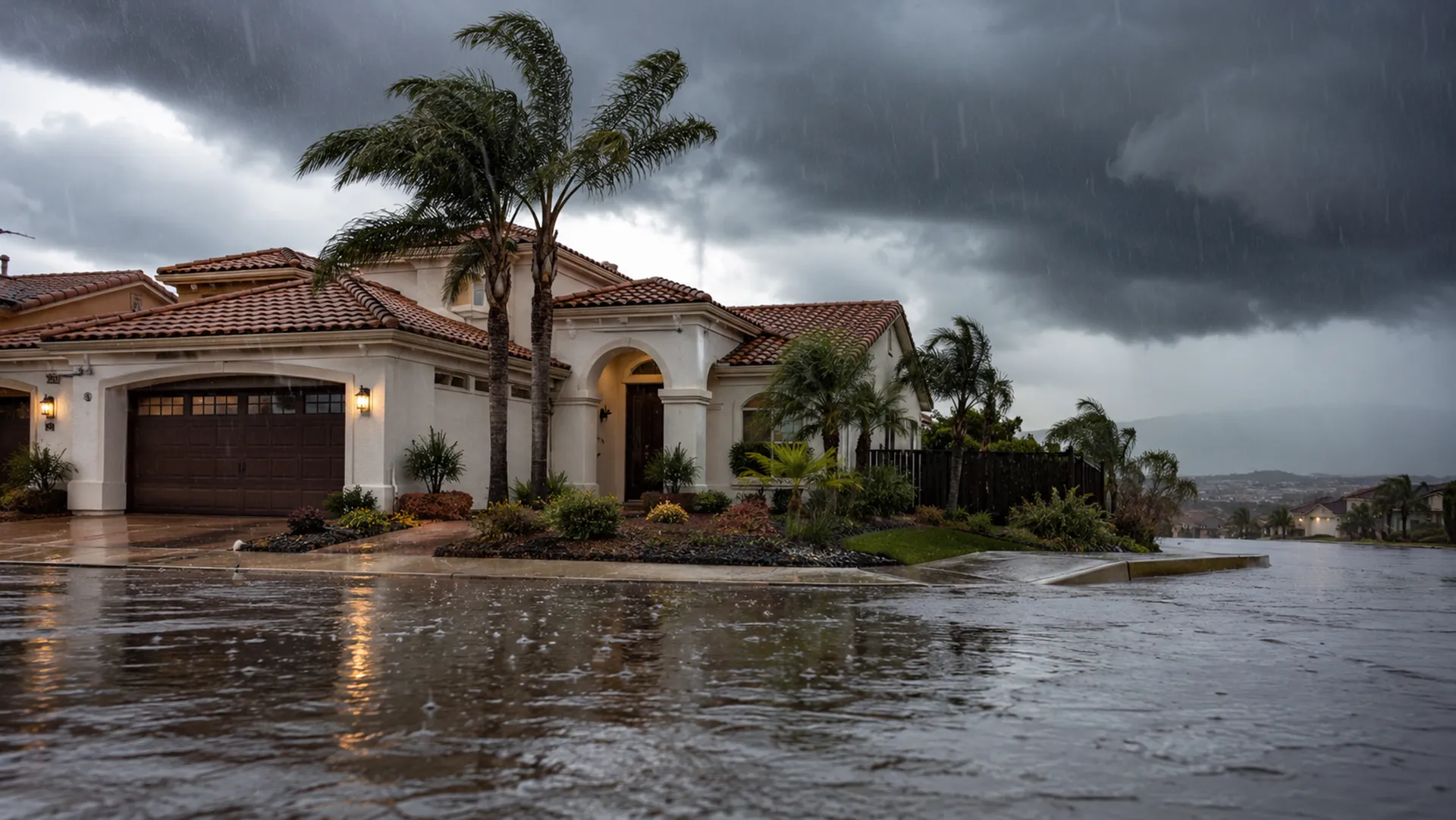
No two California apartment complexes face the same catastrophe profile. A coastal property may need to consider wind-driven rain and water exposure differently from an inland complex near a brush zone. A building in Orange County, San Diego County, Ventura County, or the Central Coast may also face varying wildfire availability and underwriting requirements.
Wildfire is often the issue that receives the most attention, particularly for properties near high-fire-hazard areas. Standard market availability can be limited, and policy terms may require more disciplined risk management. Roof condition, vegetation clearance, defensible space, updated electrical systems, and documented maintenance can influence the options available to an owner. Specialty high-risk fire coverage may be needed for hard-to-place properties, and it should be reviewed alongside the rest of the insurance program so protection gaps do not develop.
Earthquake and flood are separate considerations. Standard commercial property policies generally do not automatically provide the protection an owner may assume for these events. Earthquake coverage can involve meaningful deductibles, while flood risk may exist outside the most obvious mapped areas due to drainage issues, severe storms, or nearby waterways. Whether to purchase either coverage depends on the property’s location, financing requirements, construction type, risk tolerance, and ability to absorb a major uninsured loss.
The key is clarity. Owners should know what is covered, what is excluded, what deductible applies, and how a catastrophe loss could affect cash flow. Peace of mind comes from informed decisions, not assumptions made after an event.
Valuation Can Make or Break a Claim Outcome
Underinsurance is one of the most consequential issues in apartment complex insurance California owners face. If a building limit does not reflect replacement cost, a serious loss may leave the owner responsible for a portion of reconstruction costs. This is especially concerning when policies include coinsurance provisions or when a loss reveals that prior valuations were outdated.
A strategic coverage review should examine more than the main building limit. It should also evaluate rental income values, liability limits, deductible capacity, ordinance or law limits, equipment breakdown exposure, and the treatment of detached structures or upgrades. Amenities such as fitness rooms, gates, solar equipment, parking structures, clubhouses, and leasing offices should not disappear from the analysis simply because they represent a smaller part of the overall property.
Owners should also consider the distinction between replacement cost and actual cash value. Replacement cost coverage is generally designed to address the cost to repair or replace damaged property without depreciation, subject to policy conditions. Actual cash value accounts for depreciation, which can produce a much different claim payment. The proper approach depends on the asset, lender expectations, and the owner’s long-term recovery plan, but the difference should be understood before binding coverage.
Build Insurance Around How the Property Is Actually Operated
Insurance applications and renewals should accurately reflect the property’s day-to-day reality. A mismatch between the policy and operations can create avoidable claim complications. If a complex has a pool, gym, storage areas, on-site management, short-term rental activity, major renovations, or contracted security, those details belong in the coverage conversation.
Ownership structure matters as well. The named insured should properly reflect the entity that owns the property, while additional insureds, mortgagees, and property managers should be addressed as required by contracts and loan agreements. An experienced advisor can coordinate these details with the owner’s legal and financial team, helping ensure policy documents support the way the investment is organized.
Property management practices are another practical part of risk management. Prompt maintenance, incident reporting procedures, lease documentation, vendor insurance requirements, and regular inspections all help reduce uncertainty. They can also strengthen the owner’s ability to respond when a claim occurs. Insurance works best when it is paired with disciplined operations.
A More Useful Annual Insurance Review
A policy review should not be limited to a renewal invoice. Before each renewal, owners and managers should revisit major improvements, rent changes, prior losses, building-system updates, new amenities, management changes, and any shift in tenant occupancy. These details can change both valuation and liability exposure.
It is also wise to review deductibles in the context of available liquidity. A higher deductible may be manageable for one owner and disruptive for another, particularly when several properties could be affected by the same regional event. The right deductible is a business decision tied to cash reserves, debt obligations, and the owner’s ability to resume operations quickly.
Koda Insurance Services approaches these discussions as a long-term risk management partnership. We listen first, identify coverage gaps, and help apartment owners evaluate tailored solutions that protect what matters most. The goal is comprehensive protection that supports the property today and the family, business, or investment legacy behind it tomorrow.
A well-maintained apartment complex deserves the same level of care in its insurance program. When coverage reflects the building’s value, the local risk environment, and the owner’s financial goals, it becomes a dependable part of protecting the future.