A failed electrical panel can darken an office building in minutes. A chiller issue can make apartment units uncomfortable, disrupt retail tenants, and put lease income under pressure. For commercial property owners, a guide to equipment breakdown insurance starts with a practical truth: many of the systems that keep a building profitable can fail without a fire, storm, or other traditional property loss.
Equipment breakdown coverage is designed for those sudden, accidental internal failures. It can be a meaningful part of a broader risk management strategy for California landlords, investors, and business owners whose properties depend on electrical, mechanical, pressure, and digital equipment every day.
What Is Equipment Breakdown Insurance?
Equipment breakdown insurance helps pay for covered physical damage caused by a mechanical or electrical breakdown of insured equipment. It is sometimes called boiler and machinery coverage, although its purpose reaches far beyond boilers.
A standard commercial property policy generally responds to external causes of loss, such as fire, wind, vandalism, or certain water damage. It often does not respond when a motor burns out, a transformer experiences an electrical arcing event, or a pressure vessel fails because of an internal malfunction. Equipment breakdown coverage addresses this important gap, subject to the policy’s terms, exclusions, limits, and deductible.
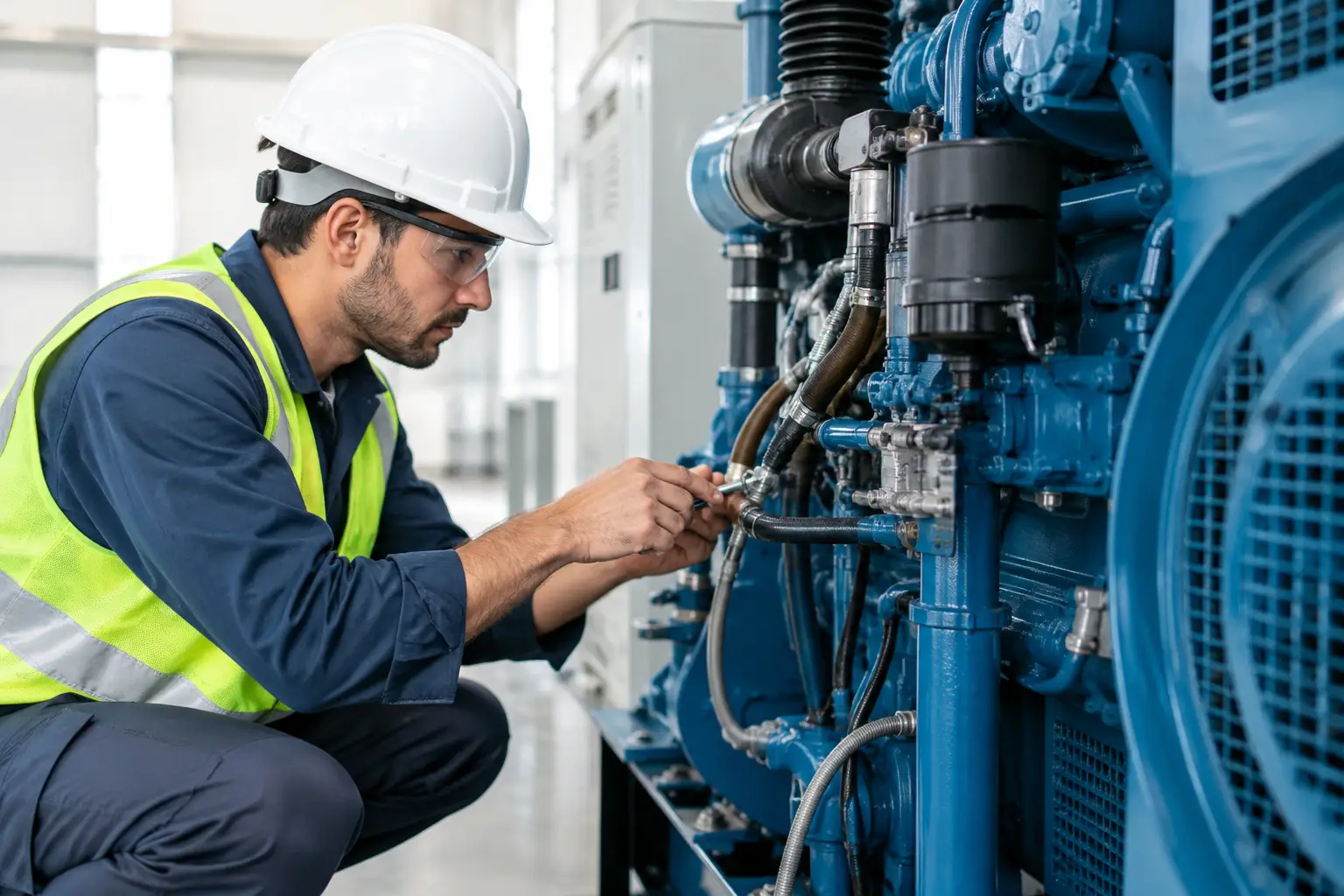
For a commercial building owner, the affected equipment may include elevator machinery, HVAC units, electrical distribution panels, transformers, pumps, water heaters, refrigeration equipment, security systems, and computerized building controls. For operating businesses, it may also include production equipment, point-of-sale systems, servers, and specialized machinery.
The distinction matters because the cost is rarely limited to one damaged component. A failure can create a chain reaction involving emergency service, damaged inventory, lost rents or business income, and dissatisfied tenants or customers.
Why Property Owners Need Equipment Breakdown Coverage
Commercial real estate is increasingly dependent on interconnected systems. A building may have smart thermostats, access-control technology, backup generators, electronic fire and life-safety components, and sophisticated HVAC controls. These systems offer efficiency and convenience, but they also introduce failure points that are not always protected by basic property coverage.
Consider a multifamily property where a central boiler suffers a covered pressure or mechanical failure during a cold spell. The owner may face repair costs, temporary accommodations or other habitability-related obligations, and potential loss of rental income while the system is restored. Coverage cannot erase the operational challenge, but it can provide a financial foundation for responding quickly and protecting the property’s long-term value.
At a retail or industrial property, an electrical breakdown can be just as consequential. A tenant may lose refrigeration, climate control, lighting, or the ability to process transactions. While the lease determines responsibility between landlord and tenant, a landlord’s own equipment and income exposure should be reviewed carefully. The right coverage structure supports better continuity planning for everyone relying on the building.
Sudden Failure Is Different From Wear and Tear
Equipment breakdown policies are not maintenance contracts. They are not intended to pay for gradual deterioration, rust, corrosion, ordinary wear, or a system that simply reaches the end of its useful life.
The coverage is typically triggered by a sudden and accidental breakdown, such as mechanical failure, electrical failure, power surge, or certain pressure-related events. The exact definition is policy-specific. A seasoned risk advisor will help distinguish between a maintenance concern and an insurable breakdown before a loss puts that question to the test.
What Equipment Breakdown Insurance May Cover
The strongest policies do more than address the cost to repair a damaged machine. Depending on the carrier and endorsements selected, coverage may extend to several related expenses.
First-party property damage is the central protection. This can include the cost to repair or replace covered equipment damaged by a covered breakdown. Replacement valuation, policy limits, and the age of the equipment all affect what the policy ultimately pays.
Business income and extra expense coverage may also be available when a covered breakdown interrupts operations. For landlords, this may include lost rental value in qualifying circumstances. For business owners, it can help address lost income and the additional cost of operating from a temporary location, expediting repairs, or renting substitute equipment.
Some policies may also provide protection for perishable goods, spoilage, data restoration, or certain utility interruption losses. These features can be valuable for restaurants, grocery-related tenants, medical offices, manufacturers, and properties with refrigeration or technology-dependent operations. They should never be assumed, however. Sub-limits and waiting periods can materially change the protection available.
A Guide to Equipment Breakdown Insurance Limits and Gaps
A thoughtful equipment breakdown insurance review looks beyond the presence of coverage. The limit needs to reflect the reality of the property and its operations.
Start with the building’s most consequential systems. What would it cost to replace the main electrical service, elevator controls, central HVAC equipment, boiler, pump assemblies, or generator? Replacement costs have risen, and certain components may require lengthy lead times. If a failed component is obsolete, replacement may also involve upgrades to meet current codes or integrate with existing systems.
Then consider the income exposure. How long could the property or business remain partially impaired before rents, tenant retention, or operations suffer? A modest repair bill can become a major loss when it affects a large apartment complex, a medical tenant, or a business with time-sensitive inventory.
Pay close attention to deductibles, waiting periods, and sub-limits. A policy might offer a strong overall limit but cap coverage for spoilage, data restoration, or utility service interruption. Another may apply a separate deductible to certain types of electrical loss. These details determine how coverage performs in the real world.
Who Is Responsible: Landlord or Tenant?
For leased commercial space, responsibility begins with the lease but should not end there. A triple-net lease may assign maintenance and repair obligations to a tenant, while the landlord still retains responsibility for core building systems, structural components, or shared infrastructure. In a multi-tenant property, the failure of one central system can affect every occupant.
Landlords should compare lease obligations with their property policy and equipment breakdown endorsement. Tenants should do the same with their business personal property and business income coverage. Clear contractual language is valuable, but insurance should be coordinated so that a disagreement over responsibility does not delay recovery after a loss.
Property managers also play a critical role. Maintenance records, inspection reports, service agreements, and prompt documentation of a failure can support smoother claims handling. Preventive maintenance does not replace insurance, yet it strengthens the overall protection plan and can reduce the frequency and severity of disruptions.
Questions to Ask During a Coverage Review
Before adding or renewing this coverage, owners should be prepared to discuss the equipment that keeps their property functioning. A productive review should address the age and condition of major systems, recent upgrades, backup power arrangements, tenant operations, and any prior electrical or mechanical losses.
It is also wise to ask whether coverage extends to computerized controls, service interruption from off-premises utilities, ordinance or law expenses, and income losses arising from a covered breakdown. If the property has elevators, central boilers, commercial kitchens, refrigeration, or specialized manufacturing equipment, those exposures deserve particular attention.
The goal is not to insure every maintenance expense. It is to build strategic coverage around failures that could threaten income, tenant relationships, operational continuity, or the value of a significant asset.
A More Confident Way to Protect Essential Systems
Equipment failures do not wait for a convenient time, and the most damaging losses often involve both a physical repair and an interruption to the people who rely on the property. At Koda Insurance Services, we view equipment breakdown coverage as part of comprehensive protection for the systems, income, and relationships that matter most.
A careful policy review can reveal whether your current program is designed for the buildings and operations you own now, not the ones you owned years ago. With tailored solutions and reliable guidance, you can make equipment breakdown risk a planned part of your protection strategy rather than an unexpected threat to your next business day.