
You may not think much about roadside assistance until you find yourself stranded with a dead battery, flat tire, or vehicle that refuses to start on a busy highway. At that moment, the only question that matters is whether your insurance will step in to help. Many drivers assume roadside assistance automatically comes with auto insurance, but that is not always the case. Some policies include it, others offer it as an add-on, and certain plans require a specific coverage level before you can access these benefits. When you understand how your policy responds in these situations, you gain more control over future stress. Roadside assistance isn’t just about convenience—it can protect you from unexpected service costs and the safety risk of being stranded. Knowing ahead of time whether your policy supports these needs ensures that when your vehicle slows down, your recovery doesn’t.
Towing Coverage and How It Works Through Insurance
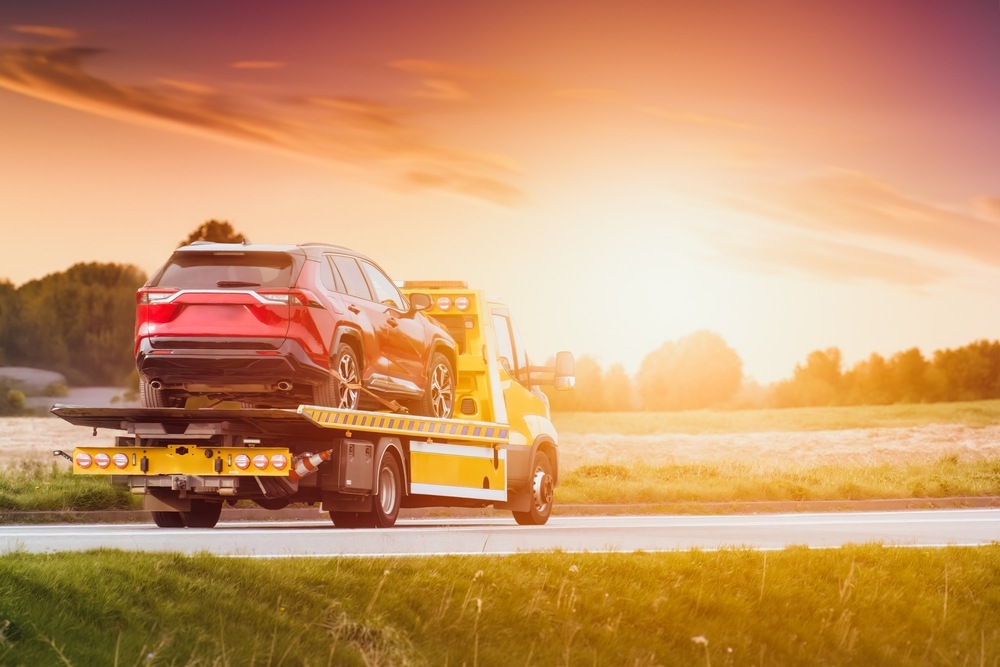
Towing is one of the most common reasons drivers seek emergency assistance, yet many are surprised to learn that there are limits and conditions. Some insurance policies cover towing only for collisions, while others allow towing for mechanical failures, flat tires, or weather-related incidents. You may find policies that offer towing reimbursements, partnerships with service providers, or mileage limits that determine how far your vehicle can be transported without out-of-pocket expenses. This means the type of towing protection you receive depends heavily on the details of your policy. By asking your agent how towing claims are processed and what the limitations are, you avoid unexpected bills that can quickly add up. The clarity you gain now becomes the confidence you rely on later when every mile matters.
Why Roadside Benefits Are More Than a Convenience
While roadside assistance may sound like a simple benefit, it often goes beyond just a stalled vehicle—it supports your peace of mind. Breaking down in an unfamiliar area, late at night, or during severe weather can feel overwhelming without support. Roadside assistance can cover jump-starts, lockout services, fuel delivery, winching, and tire changes, reducing both stress and safety concerns. Unexpected roadside services can cost significantly more than you expect when paying out of pocket, especially in remote areas or during peak hours. When these benefits are included in your policy or added at an affordable rate, you prevent those moments from turning into costly disruptions. By knowing exactly which types of roadside services your insurance covers, you are better positioned to stay calm, safe, and financially secure during unplanned interruptions.
Evaluating Whether Roadside Assistance Matches Your Driving Habits
The value of roadside coverage often depends on how frequently you drive, where you travel, and the condition of your vehicle. If you commute long distances, take regular road trips, or drive an older car, having support available after a breakdown becomes even more impactful. Your policy should reflect how you use your vehicle, not just the minimum legal coverage requirements. If you rarely drive and stay local, your needs may differ from those of someone traveling highway miles daily. Asking questions that connect your driving habits to potential risks helps you select coverage that fits your life rather than relying on assumptions. When your policy aligns with how you drive, you gain benefits that support your daily routine and future road plans.
Preparing With the Right Coverage for Unexpected Roadside Moments
A breakdown or towing situation doesn’t have to be a financial burden or stressful ordeal when your insurance is equipped to help. Understanding what is included, what requires an add-on, and how claims are handled gives you the ability to make confident choices before the unexpected occurs. If you’re ready to explore insurance options that provide clarity and meaningful support when you need it most, contact us at (619) 600-5550 or submit your details through our online form to receive the guidance, insight, and protection you need to prepare for the road ahead.