
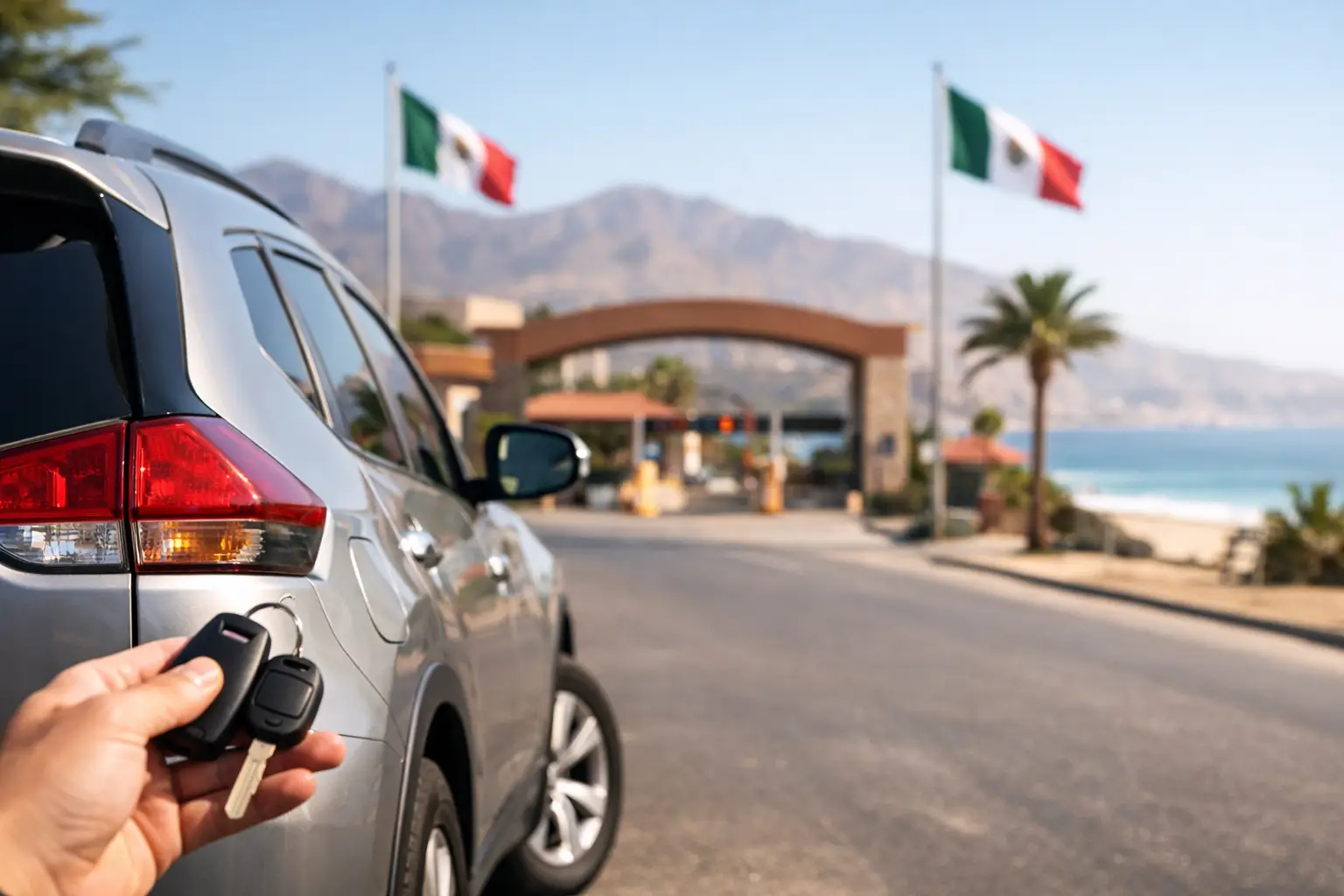
A California vehicle can cross the border in minutes, but the insurance protection attached to it does not automatically cross with it. Mexico car insurance California drivers arrange before departure is a practical part of protecting family members, employees, vehicles, and the larger assets those vehicles support. Whether the trip is a weekend drive to Baja, a site visit, or a business-related journey, the right policy helps turn an unfamiliar claims environment into a managed risk.
For established owners and operators, the question is not simply whether a policy is required. It is whether the coverage, limits, vehicle details, drivers, and travel purpose align with the exposure. A thoughtful review before the trip can prevent an accident from becoming a disruption to your business operations, personal finances, or peace of mind.
Why U.S. Auto Coverage May Not Be Enough in Mexico
Many California auto policies provide little or no meaningful protection once a vehicle enters Mexico. Some may offer limited coverage within a narrow distance of the border, while others may provide none at all. More significantly, Mexico generally requires liability coverage issued by a Mexican insurer or an authorized insurer operating in Mexico. A U.S. insurance card should not be treated as evidence that you meet Mexico’s financial responsibility requirements.
That distinction matters after an accident. Local authorities, claims procedures, repair networks, medical providers, and legal processes may be unfamiliar. Without a valid Mexico policy, a driver may face delays, out-of-pocket expenses, and complications resolving liability allegations. If the vehicle is financed, leased, owned by an entity, or integral to a company’s operations, those consequences can extend well beyond the driver.
A dedicated Mexico auto policy is designed to respond under Mexican law and should provide documentation that can be presented to authorities. Coverage availability, terms, and territorial restrictions differ by carrier, so the declaration page and endorsements deserve the same careful attention you would give any significant commercial or personal asset policy.
Mexico Car Insurance California Owners Should Review Before Crossing
The right plan begins with the purpose of the trip and the vehicle itself. A personal SUV used for a family vacation presents a different risk profile than a company-owned pickup carrying tools, a vehicle used by multiple employees, or an executive vehicle traveling to meet suppliers or inspect a property.
Liability limits and legal support
Liability coverage addresses bodily injury and property damage you are legally responsible for causing to others. Mexico’s required coverage standards and practical liability exposures can vary by location and circumstance. For clients with substantial personal or business assets, selecting limits based only on a legal threshold may leave an unnecessary gap.
Look for a policy that clearly states its third-party liability limits and explains how legal defense, bail bond assistance, and attorney services apply. In a serious accident, legal support can be as consequential as the indemnity limit. The policy should identify the claims contact process, ideally with 24-hour assistance in a language the driver can use confidently.
Physical damage, theft, and total loss
Liability alone does not protect the value of your own vehicle. Physical damage coverage can respond to collision, rollover, vandalism, weather-related damage, and other covered losses. Theft coverage is also a meaningful consideration, particularly for higher-value vehicles, specialty equipment, or vehicles left at hotels, worksites, and remote destinations.
Pay close attention to deductibles, valuation language, excluded uses, and geographic boundaries. A policy may protect travel in certain Mexican states but impose limitations outside its stated territory. If the vehicle is newer, luxury-class, modified, financed, or owned by a business, confirm that the insurer has accurate vehicle identification information and that the valuation approach is appropriate for the asset.
Medical payments, roadside assistance, and travel disruption
A roadside event can become expensive and stressful far from home. Towing, roadside labor, emergency fuel delivery, flat-tire service, and lockout support can be valuable additions, especially when traveling beyond major population centers. Medical payments or occupant accident benefits may also supplement a broader personal health insurance strategy after a covered auto accident.
These benefits are not interchangeable with comprehensive health coverage, nor do they replace carefully planned travel arrangements. They are, however, part of a more complete risk management approach. Review maximum towing distances, service-area limits, reimbursement requirements, and whether rental reimbursement or trip interruption benefits are available when a covered loss sidelines the vehicle.
Commercial Vehicles Require a Separate Conversation
Business owners should avoid assuming a personal Mexico policy will cover commercial activity. If a vehicle is titled to an LLC, corporation, partnership, property management company, or other entity, the ownership structure should be disclosed before coverage is issued. The same is true when an employee, contractor, or authorized representative will drive.
Commercial travel may involve additional considerations, including the nature of the business, tools or equipment in the vehicle, cargo, vehicle weight, and whether goods are being transported across the border. Separate permits, customs documentation, and cargo coverage may be required depending on the operation. Auto coverage is only one part of the broader compliance picture.
For a California company with fleet exposure, it is wise to compare the Mexican policy with the domestic commercial auto program. Confirm who is an insured, whether hired or non-owned vehicles are involved, and how the policy addresses permissive drivers. A loss in Mexico can affect schedules, client commitments, payroll, and business continuity, so the decision deserves executive-level attention rather than a last-minute purchase at the border.
Common Coverage Gaps to Catch Early
The details that cause difficulty are often ordinary ones: an unlisted driver, a vehicle identification number entered incorrectly, a missing owner name, or a trip that extends beyond the policy dates. Before departure, verify the named insured, the registered owner, all expected drivers, policy effective dates, and the permitted territory.
Also consider how the vehicle will be used. A personal trip can change character quickly when a driver transports equipment for a project, visits a client, or carries materials for a property repair. If the travel is connected to business activities, disclose that fact. It is better to arrange strategic coverage around the actual exposure than to discover a use restriction after a claim.
Higher-value vehicles deserve another layer of care. Review requirements related to secure parking, anti-theft devices, original paperwork, and reporting deadlines. Keep physical and digital copies of the Mexico policy, vehicle registration, driver’s license, passport or travel documents, lender information if applicable, and the insurer’s claims instructions. Your drivers should know where those documents are stored before they need them.
What to Do if an Accident Happens in Mexico
First, prioritize safety and seek medical help if anyone may be injured. Do not leave the scene unless directed by authorities or immediate safety conditions require it. Contact local emergency services as appropriate, then call the Mexico insurer’s claims number promptly. Early reporting gives the carrier an opportunity to guide the next steps and, where available, send a claims adjuster or legal representative.
Avoid making assumptions about fault, offering cash settlements, signing documents you do not understand, or moving the vehicle before you have received instructions, unless authorities direct otherwise. Gather photographs, the location, contact information for involved parties and witnesses, and details for responding officials. Keep receipts for approved emergency expenses and preserve all accident-related paperwork.
For a company vehicle, notify the person responsible for fleet, risk, or operations management as soon as possible. That allows the business to arrange alternate transportation, communicate with affected customers, and preserve records needed for the claim. Clear internal reporting procedures are a quiet but valuable form of loss control.
Plan Coverage Before the Border Is in View
The strongest Mexico car insurance California travelers can carry is coverage selected with the same discipline used to protect a commercial building, apartment community, or business fleet. It should reflect the vehicle’s value, the people in it, the trip’s purpose, and the financial stakes behind it.
Koda Insurance Services helps clients approach cross-border driving as part of a larger protection strategy, not an isolated transaction. Before the next southbound trip, set aside time to review the vehicle, drivers, intended use, and coverage terms with a trusted insurance advisor. A clear plan before you leave gives everyone in the vehicle a better chance to focus on the road ahead.