Commercial Flood Insurance For Businesses And Property Owners
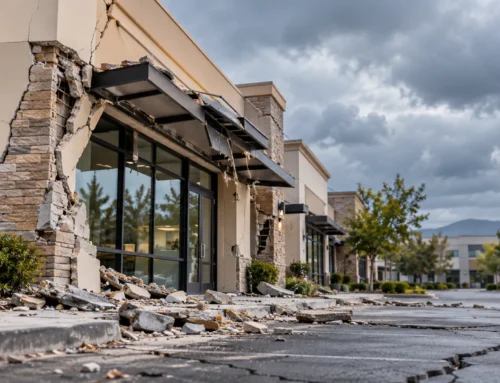
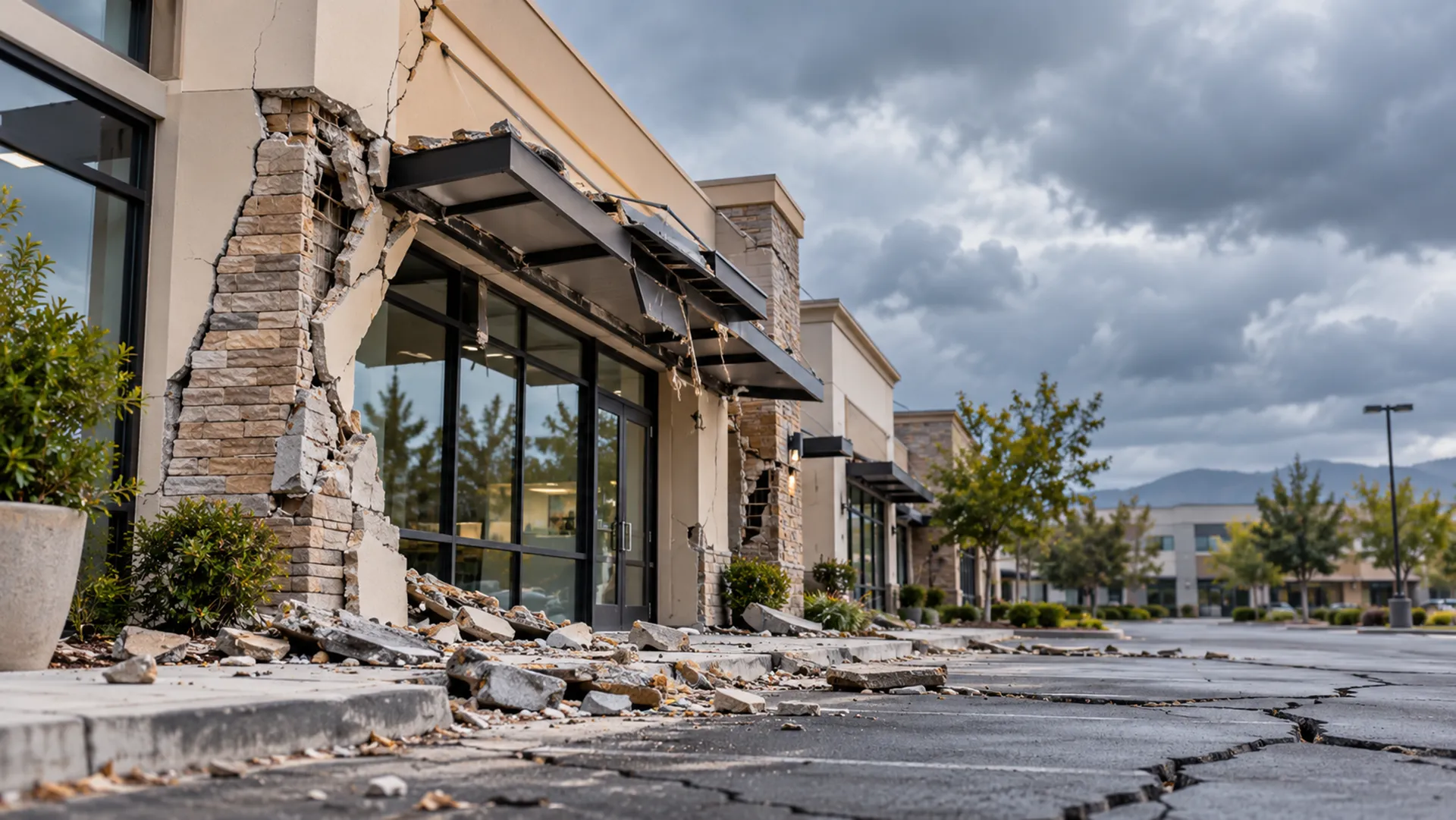
Flooding can cause significant damage to commercial buildings, equipment, inventory and other business property—and standard commercial property insurance typically does not cover damage caused by flooding.
At Koda Insurance Services, we help businesses and commercial property owners throughout Southern California understand their flood exposure and explore coverage options designed to protect their property and financial investment. Whether you own a commercial building, manage multiple properties or operate a business from a leased location, we’ll help you determine where flood insurance fits into your overall protection strategy.
Understanding Commercial Flood Risk
You don’t have to be located next to the ocean or inside a designated high-risk flood zone to experience flood damage. Changing weather patterns, heavier rainfall, overwhelmed drainage systems, runoff and coastal conditions can create flood risks in areas that may not traditionally be considered high risk.
For a business, the impact can extend well beyond water damage to the building itself. Flooding can damage equipment, inventory, furnishings, electrical systems and tenant improvements while potentially disrupting normal operations.
Because flood damage is generally excluded from standard commercial property insurance, businesses and property owners should evaluate flood coverage separately as part of their overall risk-management strategy.
Who Needs Commercial Flood Insurance?
Commercial flood insurance can be an important consideration for businesses and property owners throughout Southern California—not only those located in designated high-risk flood zones.
Commercial building owners, property management companies, multifamily properties, retail businesses, restaurants, offices, warehouses and businesses with valuable equipment or inventory can all face significant financial exposure when flooding occurs.
Some commercial property owners may be required by their lender to carry flood insurance based on the property’s location and financing. But even when coverage isn’t required, understanding your potential flood exposure can help identify an important gap in your commercial insurance program.
Commercial Flood Insurance Planning
Strategic Flood Insurance Planning For Your Business

Flood insurance shouldn’t be considered in isolation. The right coverage should work alongside your commercial property and other business insurance policies to help reduce potentially costly gaps in protection.
Koda Insurance Services can help you evaluate your property’s flood exposure, understand available coverage and determine how flood insurance fits into your broader commercial insurance strategy. Depending on your needs and eligibility, options may include coverage through the National Flood Insurance Program (NFIP) or private flood insurance carriers.
Our goal is to help you understand what’s covered, what’s not and where additional protection may make sense for your business.
Free Business Insurance Checkup
Not Sure If Your Business Is Fully Protected?
Many businesses don’t discover gaps in their insurance coverage until there’s a claim. A quick review can help identify potential exposures—including flood risks—and give you a clearer picture of where your current coverage stands.
Take our free 3-minute Business Protection Checkup and receive a personalized checklist of coverage topics to review with our expert team.