A habitability allegation rarely begins as a lawsuit. More often, it begins with a maintenance request that was delayed, a recurring moisture issue that was treated only on the surface, or a resident who feels they were not heard. For California apartment owners, the most reliable way to prevent habitability claims is to make safe, well-documented property operations part of the asset-management plan, not a reaction to a serious complaint.
Habitability is not simply a maintenance standard. It is a tenant-safety, legal-liability, reputation, and business-continuity issue. A single unresolved condition can create lost rental income, defense costs, operational strain, and scrutiny across an entire property. The strongest strategy combines prompt repairs, disciplined documentation, qualified vendors, clear resident communication, and insurance designed for the realities of multifamily ownership.
What Creates a Habitability Claim?
In practical terms, habitability claims arise when a rental unit is alleged to be unsafe or unsuitable for occupancy. In California, concerns may involve water intrusion, mold conditions, plumbing failures, inadequate heat, pest activity, electrical hazards, damaged stairs or handrails, unsafe common areas, or failures involving sanitation and security.
The condition itself matters, but so does the owner or manager’s response. A burst pipe is a property emergency. A burst pipe that is reported repeatedly, inadequately dried, and left without clear resident communication can become a much larger liability event. Courts, attorneys, insurers, and residents will often look at the timeline: when management learned of the issue, what it did next, who performed the work, and whether the condition was truly corrected.
Not every resident complaint becomes a valid claim, and not every building issue is caused by owner neglect. Tenant-caused damage, unauthorized alterations, blocked ventilation, and failures to provide access can complicate the facts. That is precisely why consistent procedures and contemporaneous records are so valuable.
Build a Maintenance System That Prevents Habitability Claims
Preventive maintenance is one of the most effective forms of risk management available to apartment owners. It protects the physical asset before a minor failure develops into a claim involving multiple units or residents.
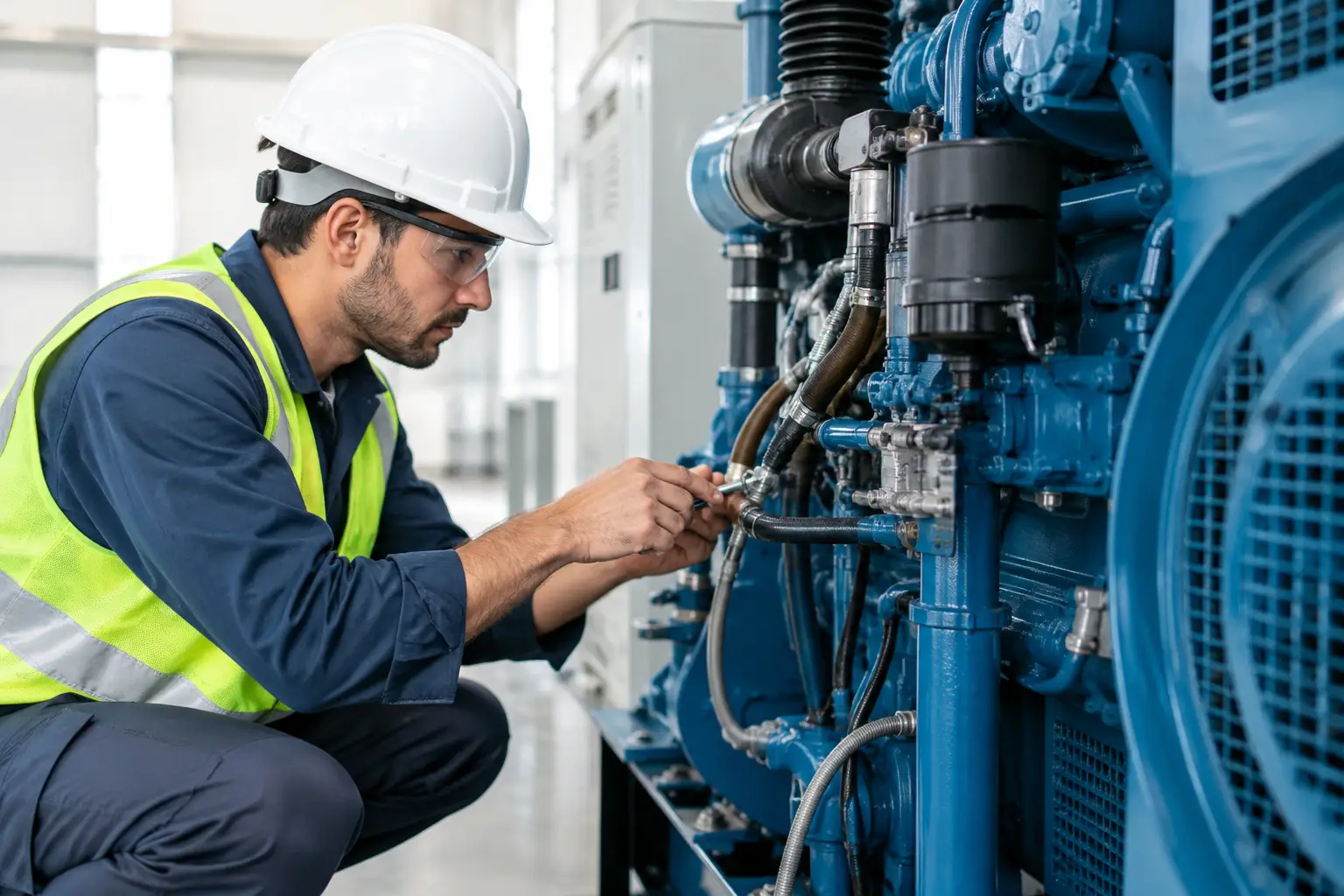
A written maintenance calendar should address building systems that frequently drive habitability concerns: roofs and drainage, plumbing supply and waste lines, HVAC and heating equipment, exhaust and ventilation, smoke and carbon monoxide alarms, stairways, railings, lighting, exterior walkways, and pest-control measures. The right inspection frequency depends on building age, construction, occupancy, prior losses, climate exposure, and the condition of major systems.
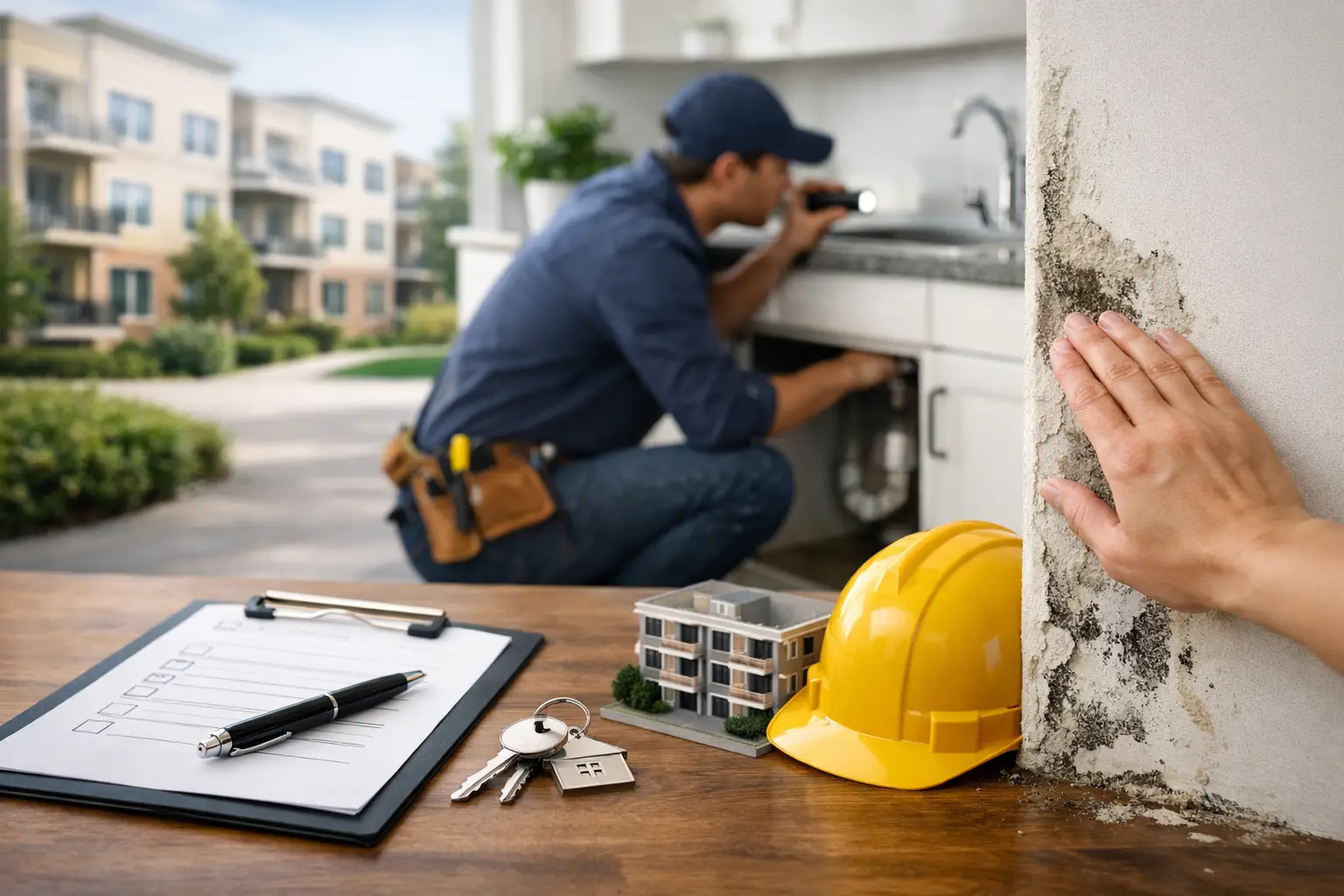
In coastal and Southern California markets, for example, salt air, moisture, wind-driven rain, aging plumbing, and deferred exterior maintenance can create conditions that are easy to underestimate. Owners should not assume that a cosmetic repair has resolved a moisture problem. When water is present, the response should identify the source, stop the intrusion, dry affected materials appropriately, assess damage behind walls or beneath flooring when warranted, and document the completed work.
Treat water intrusion as a time-sensitive event
Water is among the most common triggers for serious habitability disputes because it can affect structural materials, electrical components, indoor air conditions, and personal property. A clear emergency protocol should identify who receives after-hours calls, which vendors are authorized to respond, how residents are instructed to protect themselves, and who documents the incident.
The goal is not merely to patch the visible damage. It is to show a responsible chain of action from initial report through final repair. Photos, work orders, invoices, moisture readings when applicable, vendor findings, and resident updates can provide essential context if questions arise later.
Respond Quickly, Clearly, and Respectfully
Residents do not expect every repair to be instantaneous. They do expect management to take health and safety concerns seriously, explain what will happen next, and follow through. Silence is often what turns a manageable repair into an adversarial situation.
Create a reporting process that is easy to use and consistently monitored. Staff should know which issues require immediate escalation and which can be scheduled through normal maintenance channels. Emergencies involving active leaks, loss of essential services, electrical danger, sewage backup, fire safety, or suspected hazardous conditions should have a defined response path.
After receiving a complaint, acknowledge it in writing, record the date and time, explain the next expected step, and provide updates if the repair requires additional time. When access is needed, communicate the appointment window and any preparation residents should complete. Professional, measured communication helps protect the resident relationship while demonstrating responsible management.
Avoid making promises before a qualified assessment is complete. It is better to say that the issue is being evaluated and that the resident will receive an update by a specific time than to offer an uncertain repair date. Clear communication must be matched by actual follow-up.
Documentation Is Part of the Repair
Good records are not administrative clutter. They are evidence that ownership took reasonable, timely steps to protect residents and maintain the property.
A defensible file generally connects the resident report to the inspection, repair authorization, vendor work, completion confirmation, and follow-up. Preserve photographs with dates, internal notes, emails or messages, invoices, inspection reports, and records showing attempts to gain access when a resident is unavailable. If the resident reports a recurring issue, link prior work orders so the maintenance team can investigate patterns rather than treating each complaint as isolated.
Documentation should be factual and professional. Do not speculate about fault, minimize a reported condition, or make accusatory remarks in notes. Describe what was reported, what was observed, what action was taken, and what remains scheduled. If a specialist is needed, retain their findings and recommendations.
Verify completion before closing the work order
Closing a work order when a vendor leaves the site can create a gap. For significant repairs, management should confirm that the condition was resolved and that the surrounding area remains safe. That may mean a reinspection, a resident confirmation, or both.
Verification is particularly valuable for recurring leaks, pest issues, heating concerns, and repairs involving drywall, flooring, or ventilation. The extra step can identify a failed repair early, when the solution is still straightforward.
Train On-Site Teams to Recognize Escalating Risks
Property managers and maintenance technicians are the first line of defense, but they need authority, training, and escalation procedures. A staff member who sees staining, odor, damaged flooring, pest evidence, or a loose handrail should understand that the issue may require more than a quick visual fix.
Training should cover emergency triage, fair and respectful resident interactions, documentation expectations, access notices, vendor coordination, and when to involve ownership, legal counsel, a restoration professional, or an insurance advisor. It should also address fair housing considerations. Maintenance decisions must be based on the reported condition and operational need, not assumptions about the resident.
Owners with multiple properties benefit from standardizing these practices across the portfolio. A consistent system makes performance easier to audit and reduces the chance that critical information stays in one employee’s inbox or memory.
Align Insurance With the Property’s Real Exposure
Even exemplary ownership cannot eliminate every claim. Plumbing failures, severe weather, hidden defects, contractor mistakes, and disputes over alleged injury or property damage can still occur. That is where strategic coverage becomes a core part of protecting what matters most.
Apartment owners should review their habitational insurance program with an advisor who understands multifamily operations and California’s litigation environment. Property coverage, general liability, loss-of-income protection, deductibles, exclusions, valuation methods, and defense provisions should be considered together. The correct structure depends on the building’s age, location, construction, claims history, unit count, renovation plans, and risk-control practices.
Insurance is not a substitute for sound maintenance, nor should maintenance records be treated as a substitute for comprehensive protection. They work together. Strong operations can reduce preventable losses and support a clearer claims response, while tailored coverage helps safeguard the balance sheet when a covered event becomes more serious than expected.
At Koda Insurance Services, we help apartment owners approach coverage as part of a broader risk-management conversation. A periodic review can reveal whether a growing portfolio, capital improvement, changing property valuation, or prior loss has created a gap that deserves attention.
Make Prevention a Leadership Standard
The most successful multifamily operators do not wait for a demand letter to evaluate their maintenance culture. They measure response times, review recurring work orders, inspect common areas, maintain vendor accountability, and give on-site teams the support to act quickly when residents raise legitimate concerns.
That discipline protects residents, preserves the property’s long-term value, and puts owners in a stronger position if a dispute occurs. A well-maintained building and a well-kept record communicate the same message: resident safety and responsible ownership are taken seriously. That is the foundation of lasting peace of mind.